

For centuries, daughters have been the focus of celebration on Hinamatsuri
One of the Five Seasonal Festivals
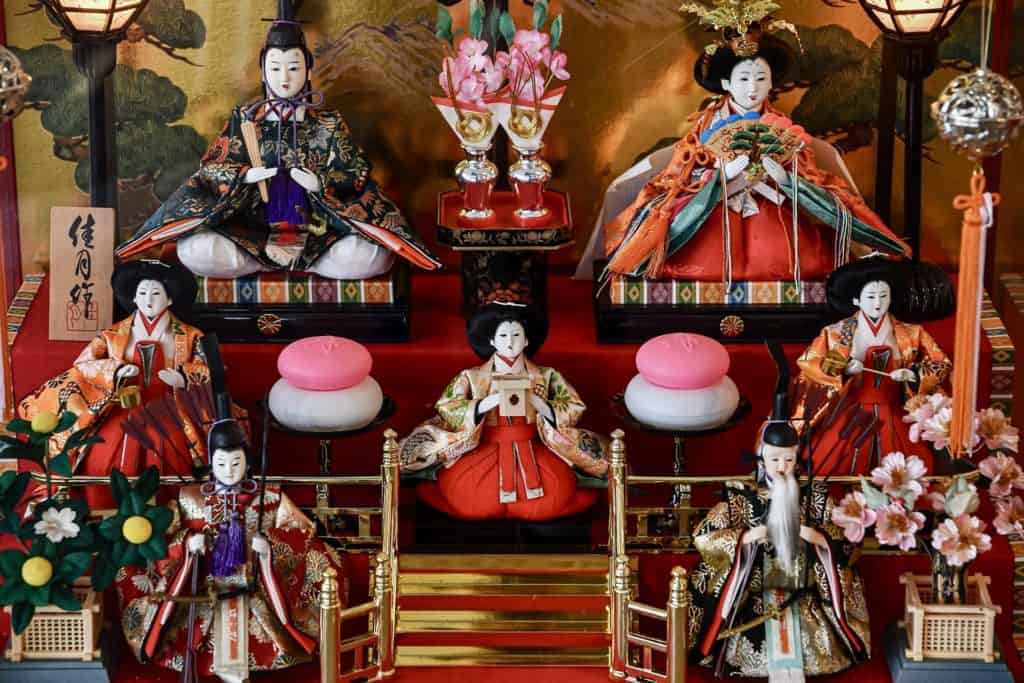
Hinamatsuri, the Dolls’ Festival, is a special Japanese day of celebration for girls in which elaborate sets of courtly dolls are displayed in all homes with daughters and in various public places. The day is also known as the Peach Festival and the Girls’ Festival.
Hinamatsuri falls on the 3rd day of the 3rd month and is one of the five seasonal festivals, go-sekku. These were imported from Tang Dynasty China in the 8th century as days to banish misfortune and to wish for good luck and good health in the coming season.
Each of the five seasonal festivals falls on a lucky day — 1/1 (moved to 1/7 so as not to overlap with New Year’s Day), 3/3, 5/5, 7/7, and 9/9 according to the lunar calendar. With the adoption of the Gregorian calendar in 1872, these holidays were moved to Western dates that mirrored their former auspicious odd-numbered lunar months and days.
Heian Era Roots
During the Heian Era (794–1185), aristocratic children played with paper or straw dolls. Reflecting ancient Shinto thought, these dolls came to be used as vessels into which impurities were transferred. A springtime custom called nagashi-bina developed, in which dolls imbued with the children’s “sins” were placed in streams to wash out to sea, thereby purifying the children.
The third lunar month was when the peach trees blossomed. These delicate pink blossoms were thought to ward off evil spirits, and they have become an integral part of Hinamatsuri decorations.
Courtly Dolls
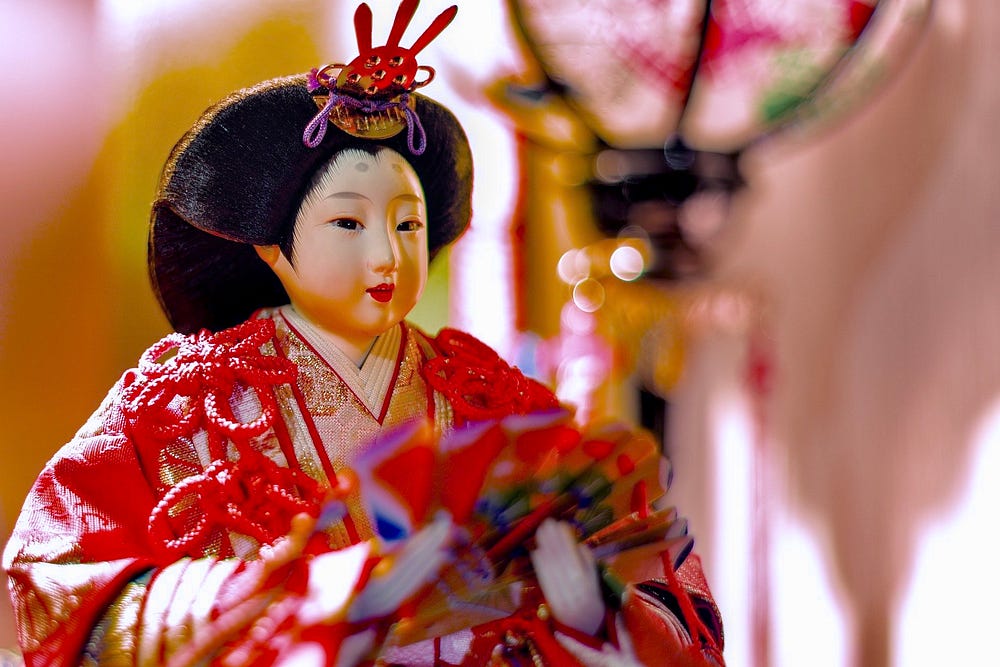
During the more than two centuries of peace during the Edo Era (1603–1867), the simple paper and straw dolls of the Heian children transformed into the elaborate and beautiful dolls we see today. These dolls embodied the Edo Era people’s image of the elegance and refinement of the Heian imperial court.
Hina Doll sets originally contained only one male and one female, a Heian Era emperor and empress, which were to take upon themselves the impurities of the children. As the years passed, the number of dolls increased to include a complete royal retinue with all their accoutrements.
The sets grew to occupy either 5 or 7 tiers. The dolls were displayed before and during the Hinamatsuri, with the prayer that they would bring good fortune and a happy marriage to the girls in the family.
Hina Dolls Today — What Is on Each Tier
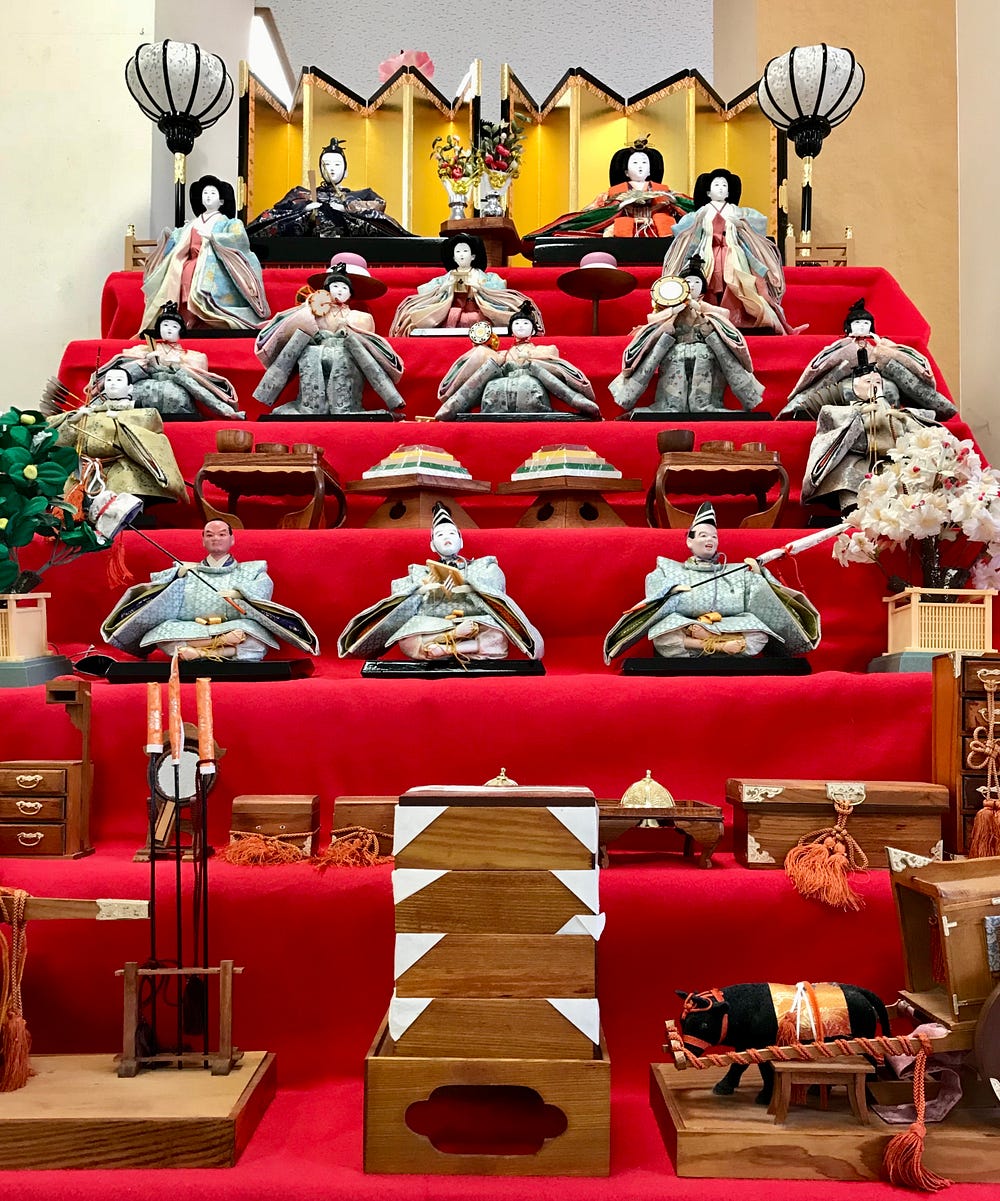
Let’s take a look at a Hina Doll display. The photo above shows an elaborate, yet typical, traditional doll set.
Tier 1
The emperor and empress hold the place of honor seated in front of a gold folding screen. These dolls do not represent a specific royal couple, with the rare exception of some sets that were made in the late 1800s to represent Emperor Meiji and Empress Shōken.
As is the custom, the male doll is holding a shaku, or ritual baton. The female is holding a folding fan. They are flanked by two paper lanterns called bonbori.
Between them are vases of miniature peach branches, a decoration called sanbō kazari, which one imagines was given as an offering to the couple.
The male on the left signifies that this set is a Tokyo style set. Those of the Kyoto style have the male on the right.
Tier 2
Three ladies-in-waiting occupy the second tier, ready at a moment’s notice to pour sake for the happy couple.
Separating the ladies are two tables holding pink and white mochi — pounded sticky rice cakes.
The colors pink and white are often used for celebratory events. White symbolizes long life and fertility, and red or pink is traditionally used to ward off evil.
Tier 3
Musicians wait upon this level, ready to entertain the royal couple. Four men hold instruments — a flute and three different types of drums — and the singer holds a fan.
Tier 4
On this tier we have the highest ranking aristocrat, the elderly Minister of the Left, and the next highest ranking, the younger Minister of the Right.
Between the men are tables to hold festive foods and diamond-shaped tables holding diamond-shaped sweets called hishi-mochi, a specialty reserved for Hinamatsuri.
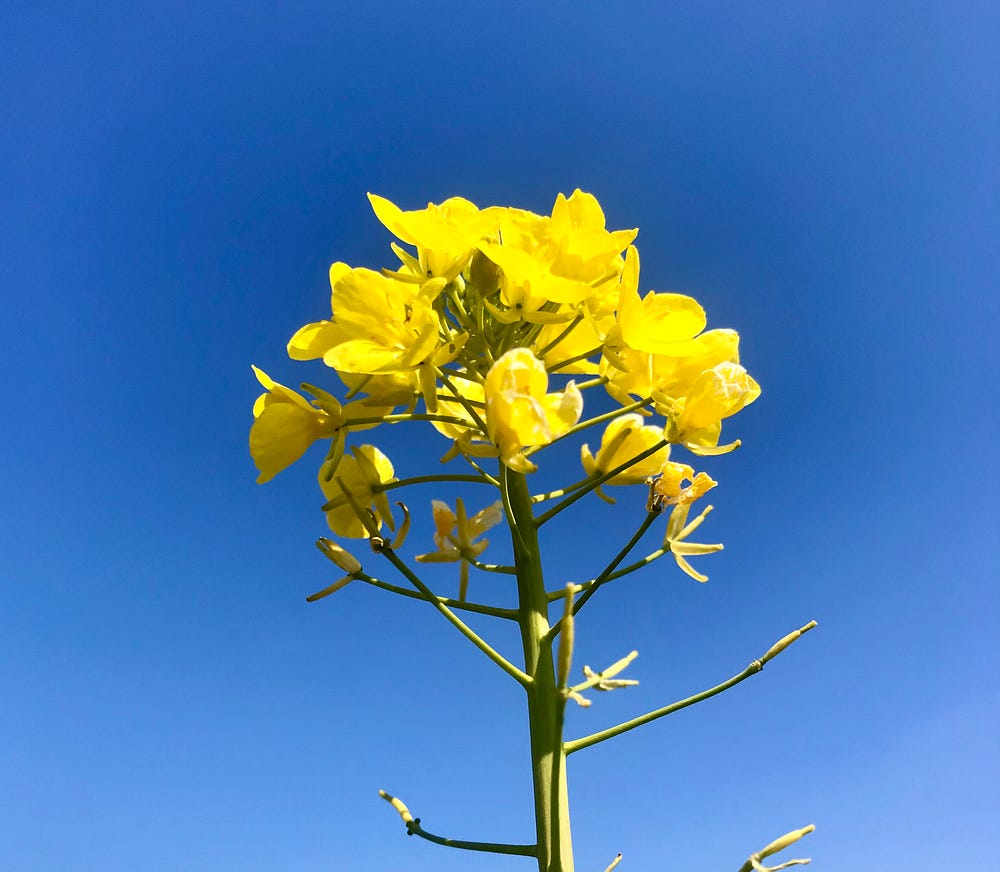
Hishi-mochi are layered mochi cakes in pink and white, with a green layer added to represent good health, and in some areas, a yellow level symbolizing nanohana flowers, some of the first to bloom in spring.
Tier 5
Upon this level sit three guards or helpers, each with an interesting name: the quarrelsome drinker, the maudlin drinker, and the merry drinker.
True to the actual trees in the royal palace in Heian, there is a tachibana orange tree on the western side and a cherry blossom tree on the eastern side.
Tier 6
Here you will find items one needs inside the house — tiny dressers, long chests for kimono storage, chests for clothing, mirror stands, hibachi braziers, boxes of tea ceremony utensils, and even a sewing box.
Tier 7
Finally, we have things the couple would need for traveling — a palanquin in which to be carried, nested boxes for food, and an oxcart for the many chests of clothing.
About Hina Dolls
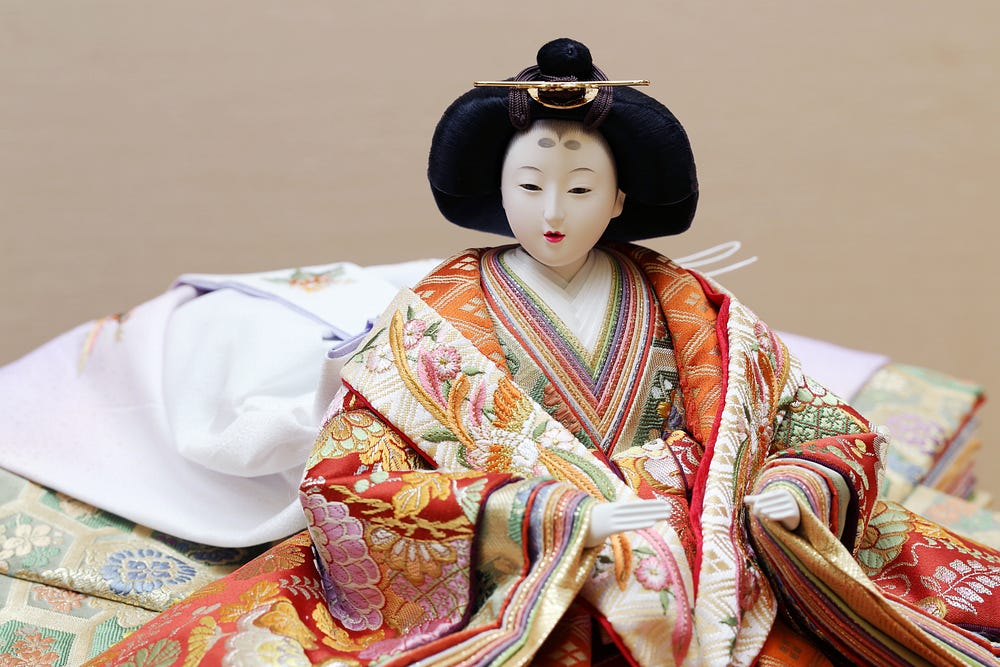
Classic Hina dolls are still made in the traditional way. Starting with a wood, straw, and paper base, the dolls are clothed in many layers of silk, stuffed with cotton to create the form, and finally finished with a delicate face carved from wood and covered with gofun, a layer of ground oyster shell and glue to give the face a pure white finish. Long hair made from silk or real hair is attached and styled in the ancient Heian fashion.
Hina dolls and their furnishings are very costly works of fine craftsmanship. Just one doll can take up to six months to create. Some sets are considered family heirlooms and are passed down from mother to daughter through generations.
The dolls can be displayed from the first day of spring — the day after the demons have been vanquished on Setsubun — and enjoyed throughout the month and on Hinamatsuri at the beginning of March.
Women are admonished to put all the dolls away the day after Hinamatsuri. Failing to do so was believed to result in a daughter marrying late.
Hinamatsuri Food and Drink
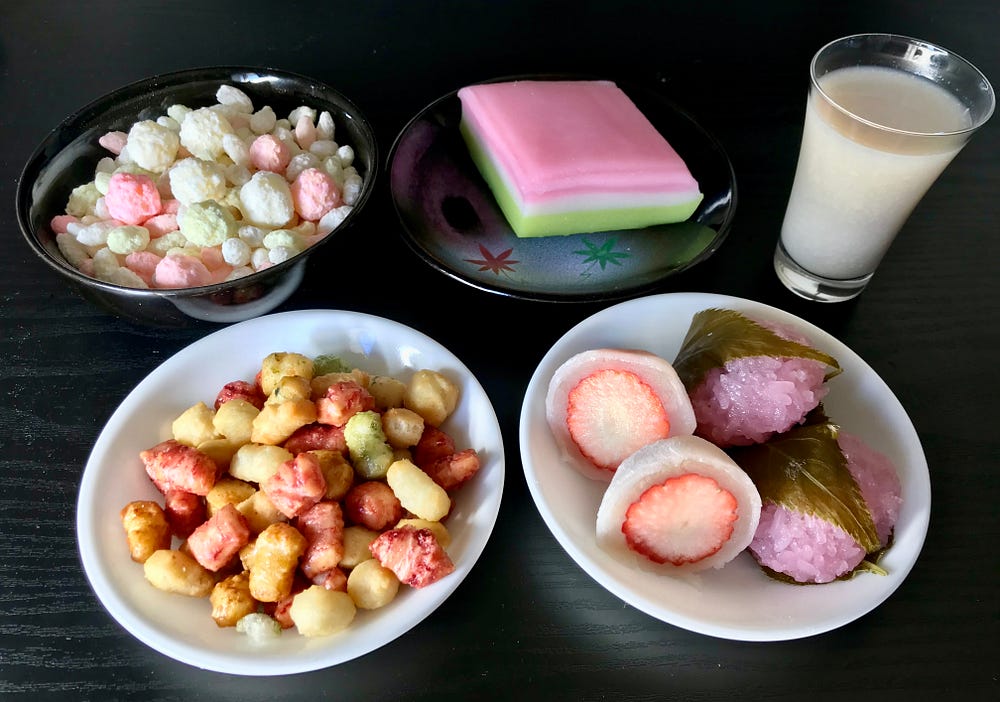
What would a Japanese holiday be without special food? Here are a few of the celebratory foods for Hinamatsuri.
- Hina arare — crunchy, colored, rice cracker balls.
- Hishi mochi — multi colored mochi cakes stacked in diamond shapes. The diamond shape is also considered lucky.
- Ichigo daifuku — strawberries covered in sweet azuki bean paste and mochi — have recently joined the ranks of Hinamatsuri treats.
- Sakura mochi — azuki bean paste filled pink mochi cakes, wrapped in edible cherry blossom leaves.
- Ushio jiru — a clear soup made from hamaguri clams. As clams have two connected shells, they signify the wish for a happy marriage.
- Chirashi zushi — sushi rice into which is mixed, for example, simmered carrots, mushrooms, and lotus root, then topped with shrimp and/or sashimi, egg, and nanohana florets. Probably every cook makes it differently, while sticking to the pink, white, green, and yellow motif.
- Ama zake — sweet, thick beverage made from rice koji, the fermented rice used to make sake and miso paste. It is non-alcoholic and is considered healthy.
- White sake — strong, sweet sake with a cloudy white color.
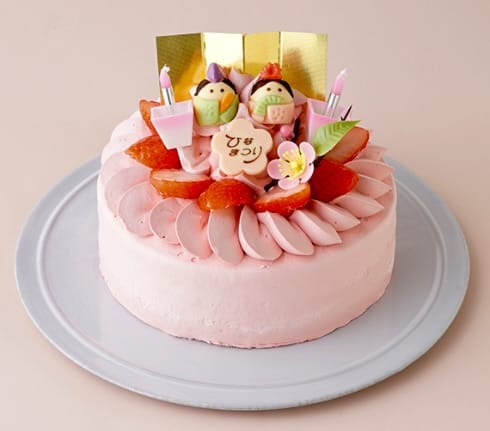
In recent years, people have started to forgo traditional sweets in favor of beautiful, store-bought cakes, but no one with daughters will ever forgo celebrating Hinamatsuri.
If you have questions about Japan or suggestions for articles, please add them in the comments. For more photos and information on Japan, follow me on instagram at: https://www.instagram.com/more_than_tokyo/


