

Hiro’s “Perfect Death”
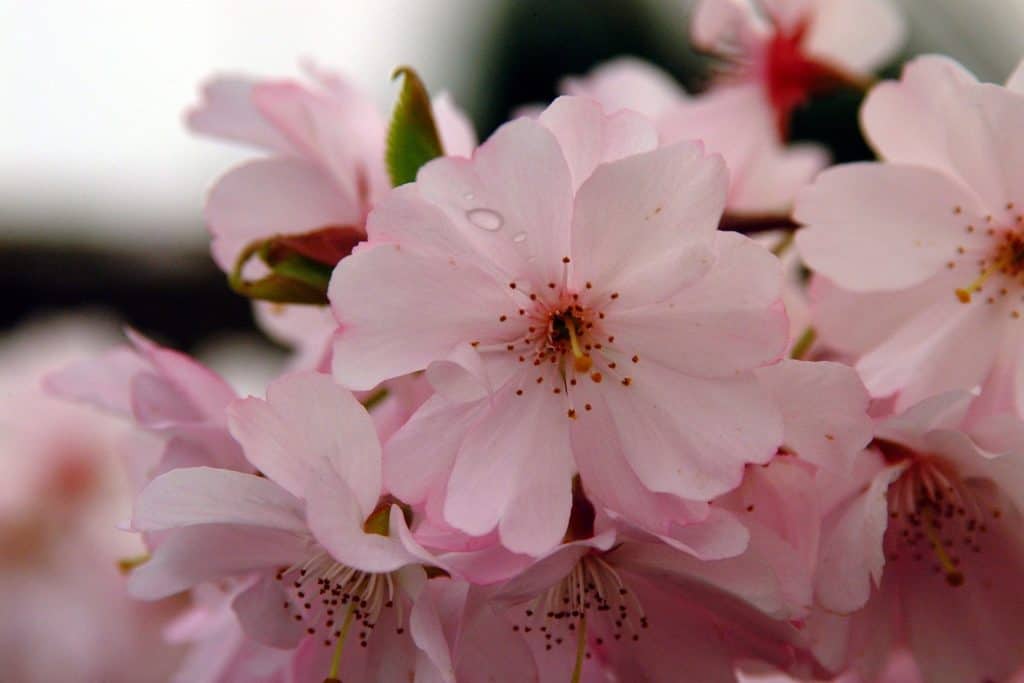
I have come to admire the Japanese concept of mono no aware, an awareness of the impermanence of life. Life is more beautiful and profound when viewed through the lens of its transience. This was never brought home to me more than when my dear friend Akiko’s husband passed away.
Last joyful day
At 85 years old, Hiro was tired. He had spent the afternoon playing with his grandchildren and missed his nap. Though a stroke a few years ago had reduced his mobility, his grandchildren have remained a tremendous source of joy. It had been a perfect Sunday.
No longer able to spend time on the golf course breathing the fresh air, feeling the breeze, and enjoying the company of his friends, his days have instead been spent at elderly “daycare” facilities. Bound to a wheelchair, he watched TV, chatted with the other disabled seniors, and nursed a feeling of deep melancholy.
Today, his grandchildren had left before dinner to get home to finish their homework for school the next day. The house was quiet, the children’s cheerful chatter gone.
Hiro usually enjoyed his wife Akiko’s cooking, but this night it was hard to even lift his chopsticks to his mouth. He felt very tired, and he had no appetite.
By 8 o’clock, he was ready for bed.
Akiko helped Hiro into bed and tucked his covers about him. She quietly did the dishes and then settled in the living room to watch TV.
At 10 o’clock, she heard Hiro get up and go to the bathroom. Minutes passed. More minutes passed. Akiko didn’t hear him return to his room. She walked to the hall to check on him. She saw Hiro standing in the bathroom, holding onto the support bar they had installed, slowly swaying back and forth.
“Are you OK?” she asked.
“I feel a little woozy,” he answered. Akiko helped him into his wheelchair and wheeled him to his bedroom. She again helped him settle in bed and covered him.
She noticed he was quietly gasping for air.
“Is it difficult to breathe?” she asked him.
He nodded.
“Shall I call the doctor?” she asked.
Again, he nodded.
After calling the doctor, a male nurse arrived at their house. He checked Hiro’s oxygen levels.
“His oxygen levels are low. Shall I call an ambulance?” he asked.
Hiro nodded.
The nurse called the ambulance. Then he turned to Hiro and asked which of several hospitals he wanted to go to.
Hiro had been in the hospital before. Due to the coronavirus pandemic, visitation was restricted. Being in a hospital would mean he would not be able to see his family. He changed his mind.
“Well, if you don’t want an ambulance, shall I ask the doctor to come?” the nurse suggested.
Another nod from Hiro.
While the nurse was busy on the phone canceling the ambulance and calling the doctor, his wife Akiko called their children that lived nearby. She explained that their dad was having difficulty breathing and that they should come right away.
Before the doctor had even arrived, the children were at their father’s bedside. They had immediately dropped what they were doing and rushed to see him. Akiko sat beside Hiro, holding his hand and stroking it gently, comforting him.
A few minutes later, the doctor arrived and pulled out his stethoscope.
“There is no heartbeat,” he said. He checked the pulse.
“There is no pulse.”
The family hadn’t even realized that their father had died.
“I have never seen such a peaceful death in all my life,” the nurse whispered.
After a peaceful death
Following the tradition of respect for the deceased, Hiro’s children went to get warm washcloths to clean his body. They gently wiped him, changed him into fresh pajamas, and then left him to rest for the night.
Arrangements had been made previously with the neighborhood funeral home, so they were aware of Hiro’s wishes for a quiet funeral with just his immediate family in attendance. When Akiko called them in the morning, people from the funeral home promptly came, carefully wrapped Hiro’s body in a white cloth, and lifted him onto a stretcher which they placed in the back of their vehicle. They brought him to the funeral home and prepared him for his otsuya, Buddhist wake.
Akiko’s daughter called her friend who is a Buddhist priest, and he agreed to come to conduct the wake. That evening, the family lit incense, and the priest chanted and rang a large brass gong, releasing Hiro’s spirit into the next world. They placed flowers around him in the coffin and encouraged him to be strong and persevere in his journey into death.
The following day, they returned to the funeral home, placed more flowers around Hiro’s body, and said their goodbyes. The funeral home worker closed his coffin which was then carried to the hearse. Akiko rode in the hearse and her children followed in their cars, a quiet procession to the crematorium.
Cremation
Hiro’s coffin was placed on a table with beautiful flower arrangements on either side. After Akiko and her children said a final farewell, a crematorium worker pushed Hiro’s body into the mouth of a giant furnace, and the thick metal door was securely shut.
Akiko pushed the button to start the fire. They heard a terrific roar as flames engulfed Hiro’s body.
While they waited for the fire to do its work, Akiko and her children sat at a long table in another room of the crematorium and ate packed lunches. Other groups were seated around other long tables, eating and reminiscing while waiting for their loved ones’ cremations to finish.
After an hour or so, an announcement called for Akiko and her children to come to receive Hiro’s bones. His body had been pulled out of the furnace and now lay on a table. The coffin, flowers, and much of Hiro’s body were reduced to ash. Only the scorching hot bones remained.
The attendant held out a cloth to Akiko upon which lay a set of new, still green, long bamboo chopsticks. He repeated this with each of Hiro’s family members. They then pulled their chopsticks apart, breaking the thin white strips of paper that held them together at each end.
Starting at the feet, Akiko picked up pieces of bones one by one and passed them with the chopsticks to her children, who in turn used their chopsticks to place them in an urn. From the big toe, shin, thigh, all the way up to the “Buddha bone” of the throat, the hyoid, Hiro’s family placed a selection of bones in the urn. Lastly, they reached the skullcap, which the crematorium worker crushed, as is customary, and a piece of the skull was the final bone placed in the urn.
The crematorium worker fitted a lid on the urn and placed it in a box. He wrapped the box with a white cloth and presented it to Akiko.
She brought the bones back to her house and placed them on a makeshift altar in front of a large photo of Hiro. She lit incense for her husband’s spirit, praying for his strength during his first week of self-reflection in the afterlife.
49 days at home
During Hiro’s first seven days in the afterlife, he will reflect on his life and come to terms with his death. On the seventh day, he will meet the Buddha at a crossroads and choose the path which he feels best. During the next weeks, Hiro will meet with various apparitions and difficulties which he must fight to overcome. The prayers and incense of his loved ones will give him strength.
After 49 days of self-reflection, struggle, and overcoming, Hiro will be able to enter into the heavenly realm. On that 49th day, his bones will be taken to the family temple where they will be interred in the temple ossuary.
Akiko will remain at home, keeping her husband company during the first 49 days. She will light incense for him. She will offer him tea, snacks, and his favorite beer. She will encourage him and pray for his strength.
Once Hiro is interred, he will have plenty of company among both the living and the dead at the temple. Akiko and his family will not forget him. They will visit him, and continue to hold regular memorial services for him.
How to express condolences in Japan
I searched for the proper words to write my friend Akiko after she told me that her husband had died. In case you find yourself in a similar situation, here is how to express condolences in Japanese:
この度は誠にご愁傷様でした。心よりお悔やみ申し上げます。お大事にしてください。
This is roughly equivalent to: “I am sorry for your loss. Please accept my sincerest condolences. Please take good care of yourself.”
Then, before visiting Akiko for the first time after her husband’s death, I wrote:
もし時間があればお伺いしてもよろしいでしょうか。ご主人様にお参りしたいです。
“If you have time, I would like to visit you and also pay my respects to your husband.”
Ten days after Hiro’s death, I visited Akiko. I knew she would have plenty of lilies, so I brought an assortment of spring flowers — plum blossoms, daffodils, and narcissus.
I placed a traditional envelope of a few used thousand yen bills on the altar for her husband. “Incense money,” it is euphemistically called. New money is reserved for celebratory occasions. Old money is exclusively used for funeral gifts. Three thousand yen is generally appropriate, as a too-generous gift could evoke an unwanted sense of the need to reciprocate.
I lit incense before Hiro’s photo and wished him well in the afterlife.
Respect for ancestors
How beautiful to be able to have such a relationship with one’s beloved after they have passed on. The family cleaning and preparing their father’s body for his final rest strikes me as natural and a perfect way to say goodbye and to start to gain closure after such a deep loss.
The 49 days with your loved one’s bones at home, as well as the regular visits to the grave and the various memorial ceremonies, seem to help the surviving family members ease into the loss of their loved one. They have time to grieve and to cope with their loss.
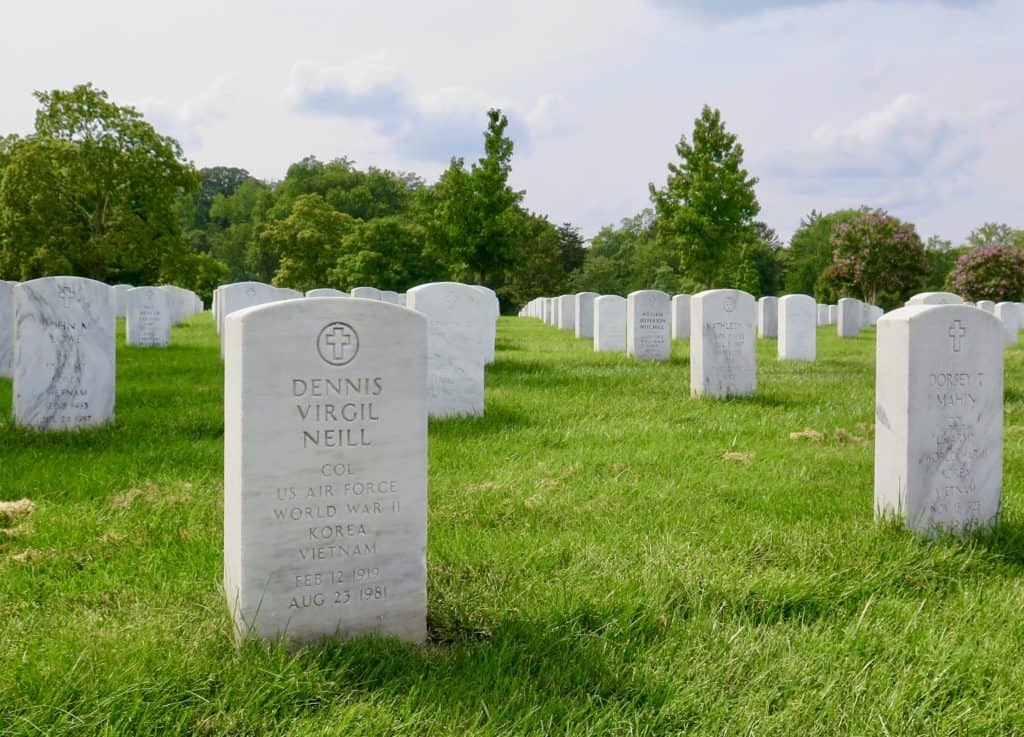
I wish I had had a similar opportunity to say goodbye to my parents instead of them having been whisked away to a morgue immediately after death. I said goodbye to my embalmed father in his coffin, then left him at the funeral home. After a church service the following day, he was buried in a large cemetery.
I dropped a rose onto his coffin in the grave while handfuls of dirt were tossed down by others.
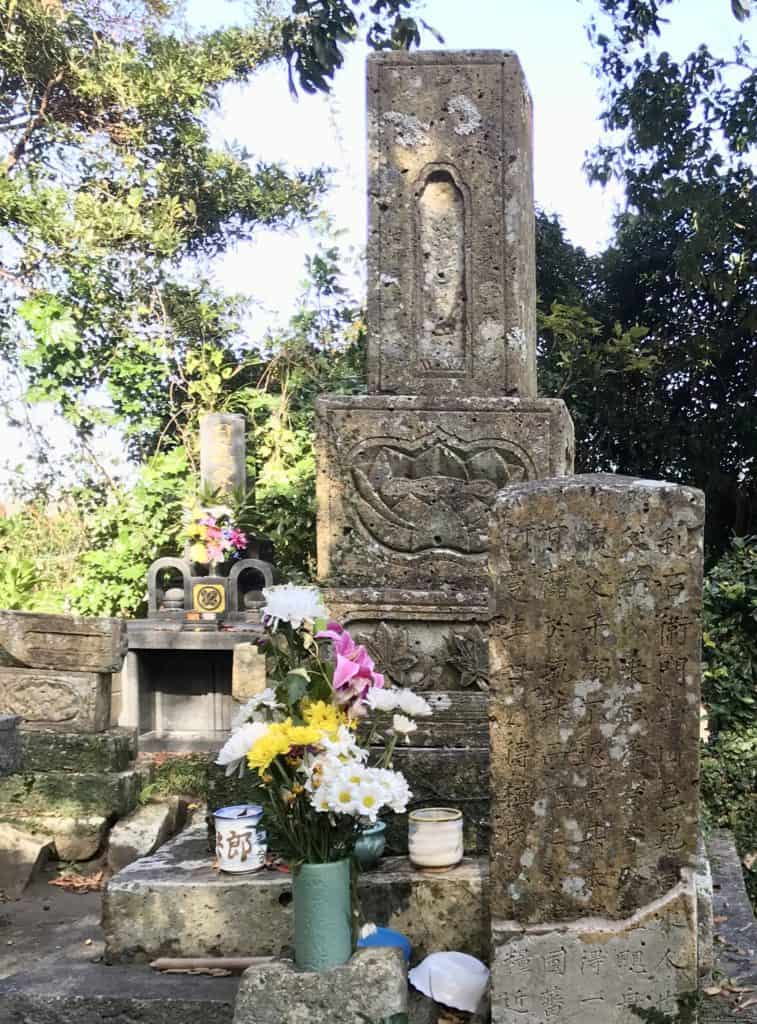
In America, groundskeepers and volunteers maintain the graves, while in Japan the deceased’s family does. This is not to mourn their passing, but rather to pay their respects and keep them company.
After many years in Japan absorbing the culture, my children and I make it a point to visit my parents’ grave whenever we are able and likewise spend a little time with them, keeping them company.
Out of respect for Hiro and Akiko, I have not used their real names.
If you have questions about Japan or suggestions for articles, please add them in the comments. For more photos and information on Japan, follow me on instagram at: https://www.instagram.com/more_than_tokyo/


