

The ultimate in sacrifice for others
For centuries, some individuals in Japan willingly underwent the grueling process of sokushinbutsu, 即身仏, self-mummification. This extreme ritual was believed to lead to enlightenment and would transform the practitioner into a Living Buddha. The characters of sokushinbutsu—即 “at once,” 身 “this body,” and 仏 “Buddha”—reveal its meaning. These transcendent beings are revered for their ultimate sacrifice, having dedicated themselves to alleviating the suffering of others caused by illness, epidemics, and famines.
Self-mummification dates back to ancient China and was later brought to Japan, where it evolved under the influence of Kūkai (774–835), the founder of Shingon Buddhism. Kūkai’s esoteric teaching emphasized that through rigorous spiritual practice, one could attain Buddhahood in their present existence — a concept known as sokushin jōbutsu.
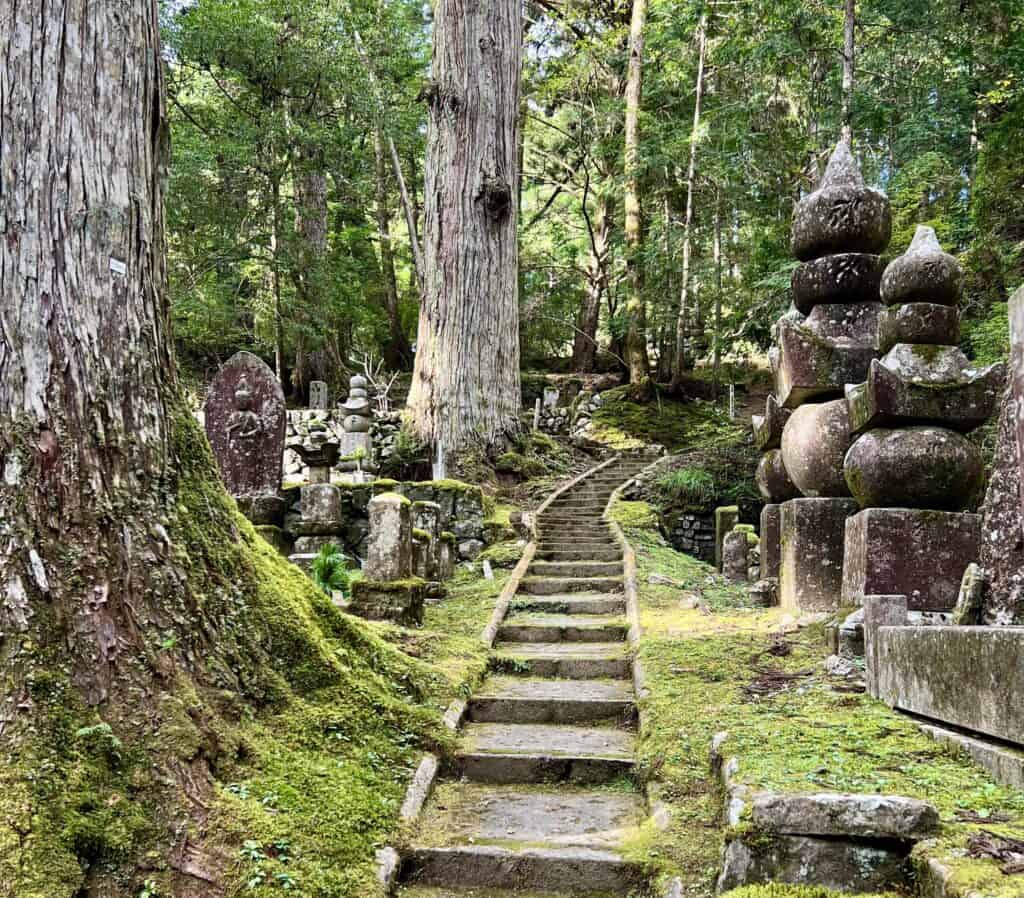
According to tradition, Kūkai himself achieved this state over 1,200 years ago. Today, he remains in eternal meditation within his mausoleum at Okunoin—an expansive, ancient cemetery within the Kōyasan temple complex in Wakayama Prefecture. To this day, monks continue to offer him meals each morning and night.
Dewa Sanzan
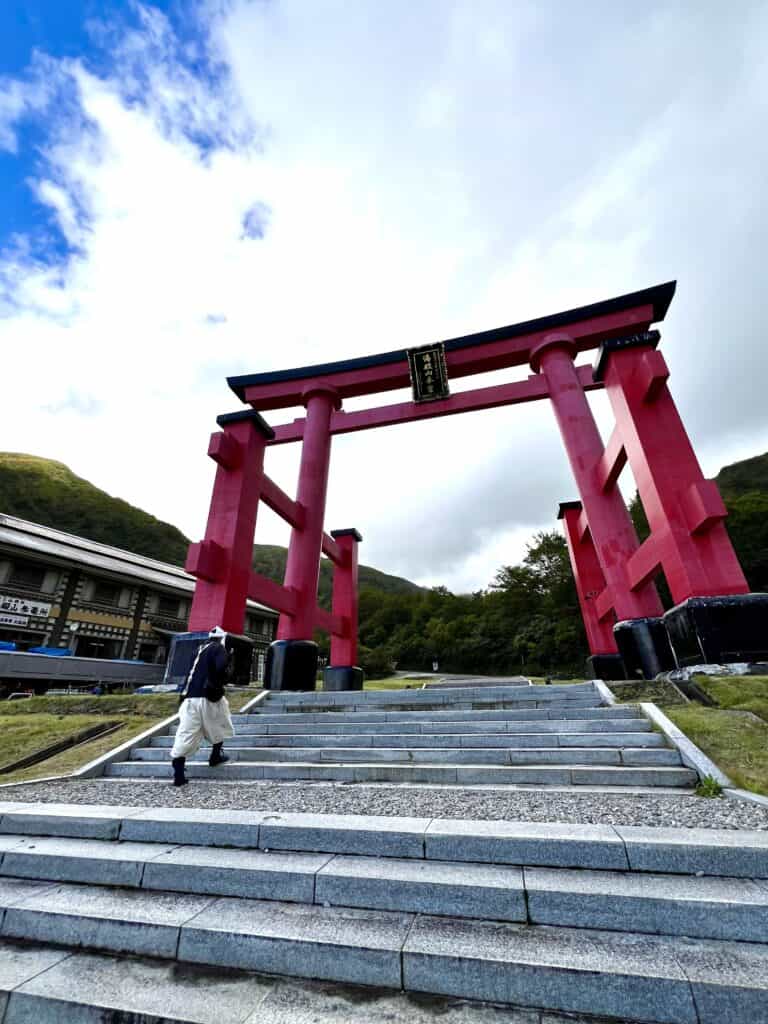
I was given the rare opportunity of visiting one of these living Buddhas in the mountains of the Dewa Sanzan, which consists of the sacred peaks of Mount Haguro, Mount Gassan, and Mount Yudono in northern Yamagata Prefecture. The Dewa Sanzan is home to the most known sokushinbutsu, with six of Japan’s 18 known mummies, although both these numbers are disputed.
I use the term “known” because, at the start of the Meiji era (1868–1912), self-mummification was outlawed, and the locations of those who had recently undergone the process were lost. Many more sokushinbutsu may remain hidden in remote mountain regions, still waiting to be exhumed. In fact, several previously unknown mummies were discovered by chance in 1959.
But sokushinbutsu are not the only mummies in Japan. Four generations of the Northern Fujiwara family were embalmed, mummified, and interred beneath the altars of the golden Konjikidō at Chūsonji temple in Iwate Prefecture. Well, only the head of the youngest.
How to become a living Buddha
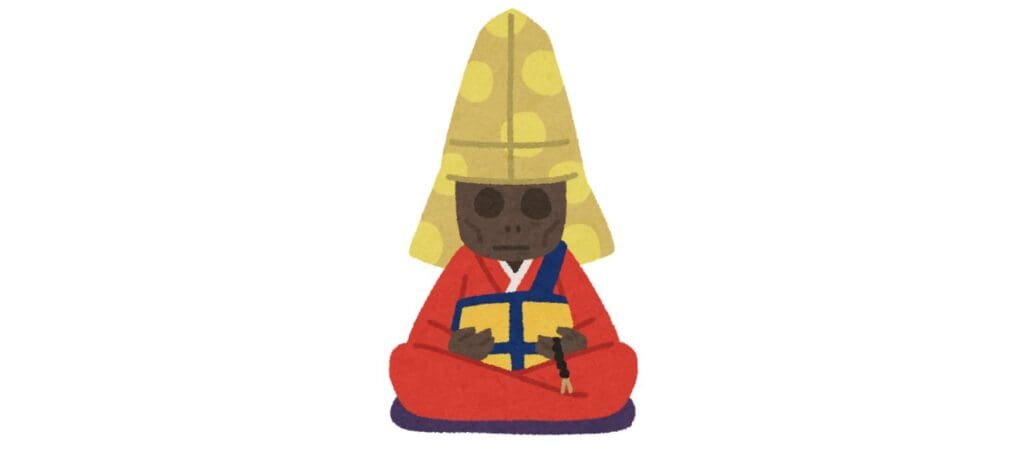
Achieving self-mummification required adhering to a strict diet, sometimes for as long as ten years, to prevent decomposition after eventual death by starvation. The practitioner undertook mokujiki shugyō, “tree eating,” to reduce body tissue as much as possible. Practitioners abstained from eating gokoku-dachi, the five staple grains—rice, barley, soybeans, foxtail millet, and proso millet. Instead, they consumed the products of the forest, such as nuts, berries, pine needles, bark, resin, and the cores of bamboo leaves. As the months passed, the amount eaten was reduced.
The idea was to eliminate all fat and any substances that could contribute to bodily decay after death. The long, slow process of deliberate desiccation began with the body burning fat, which reduced subcutaneous fat and moisture levels—primary causes of decay. The practitioner would remain still, allowing the body to consume muscle as an alternate source of glucose.
To help the body become less prone to decomposition, some practitioners are thought to have consumed pine-needle tea or urushi, the sap of the lacquer tree. Pine-needle tea is believed to destroy gut bacteria, preventing them from consuming the body post-mortem. Similarly, drinking urushi may have served as a form of internal preservation, helping to deter decay.
This torturous lifestyle continued for 3,000 days—days filled with the chanting of sutras. When his body had withered to little more than skin and bones, the practitioner moved to an underground chamber, about three meters deep, where he was essentially buried alive. A bamboo tube inserted through the ceiling provided oxygen.
In the complete darkness of this nyūjō-zuka, chamber of enlightenment, he sat meditating, fasting, and chanting sutras while ringing a bell. When the bell ceased to ring, it signaled he had entered metsushinjō — the extinction of the mind and attainment of stillness. His chamber was then sealed for three years.
This ritual was beyond harsh, and it was hardly foolproof. Many who attempted the process failed, dying before they achieved their goal. Or perhaps their bodies decayed even after enduring the severe 3,000-day regimen.
Shonin Honmyōkai
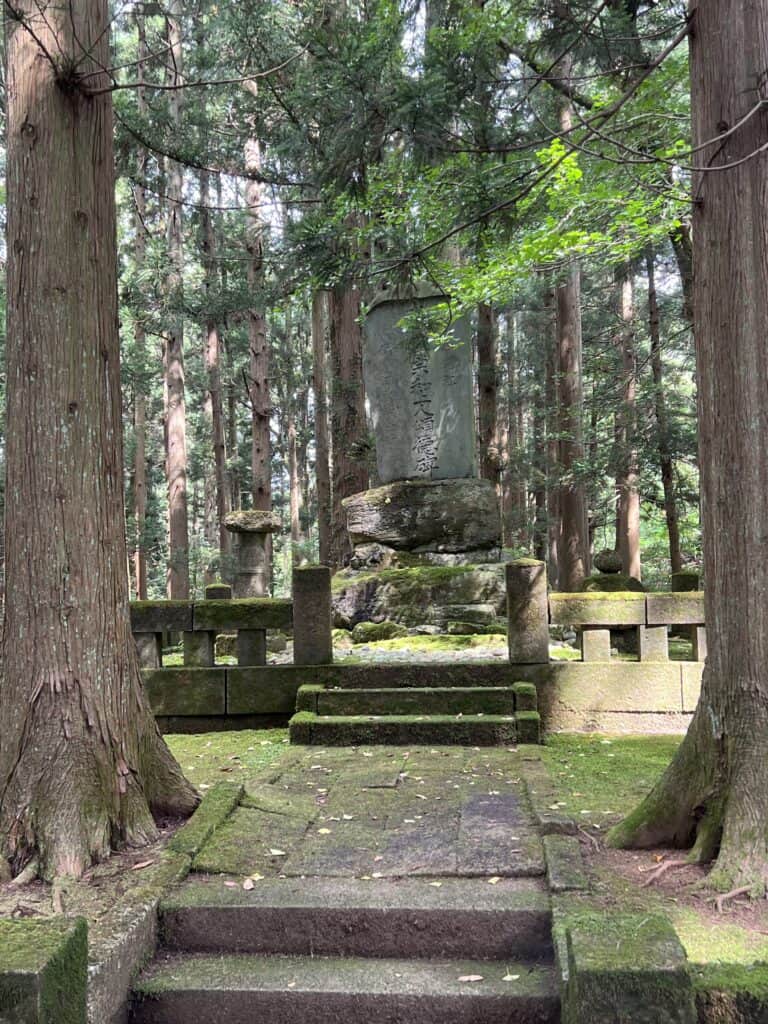
The sokushinbutsu that I encountered was at the Honmyōji temple in Tsuruoka, Yamagata. His name is Shonin Honmyōkai, and he entered nyūjō in 1683.
In his youth, he was a samurai named Togashi Yoshibei, who served the Shonai clan. When he was 39, his lord became deathly ill. Yoshibei and other vassals went to sacred Mount Yudono to pray for his healing. His lord was, indeed, healed.
But, instead of returning to the service of his lord, as was expected, Yoshibei stayed on Mount Yudono to continue his Buddhist prayers. Enraged by what he saw as desertion, his lord punished him by canceling his marriage and withholding his salary. Undeterred, Yoshibei entered Chūrenji Temple as a disciple and took the name Honmyōkai to mark the beginning of his new life of asceticism. The “kai” in his name is the kanji kai 海, taken in honor of Kūkai.
Moved by the hardships and recurring famines endured by the villagers living near the temple, he resolved to become a Buddha who could intercede on their behalf. He yearned to help ease their suffering and save them from their difficult lives. With this goal in mind, he began his nine-year process of self-mummification.
Honmyōkai endured a life of extreme asceticism. He slept outside, experienced countless insect bites, and ate and slept little. From a spot overlooking settlements and fields, he ceaselessly prayed for the local people’s prosperity and chanted sutras. As the years passed, his body gradually shrank and lost strength.
When sufficiently weak, he did what he could to help prepare the chamber where he would be entombed. In the darkness of this underground crypt, he continued to pray and chant. Finally, his bell ceased to ring, and those keeping vigil knew that he had entered nyūjyō—the state of eternal meditation transcending ordinary consciousness, as Kūkai had done before him.
His tomb was sealed.
A Living Buddha
Three years later, Honmyōkai’s tomb was opened to see if he had succeeded with mummification and had thus attained a high spiritual state. His body was completely preserved. He had become a Living Buddha and could intercede for those in need. Since then, he has been enshrined at Honmyōji temple as a Buddha. He is still worshipped today.
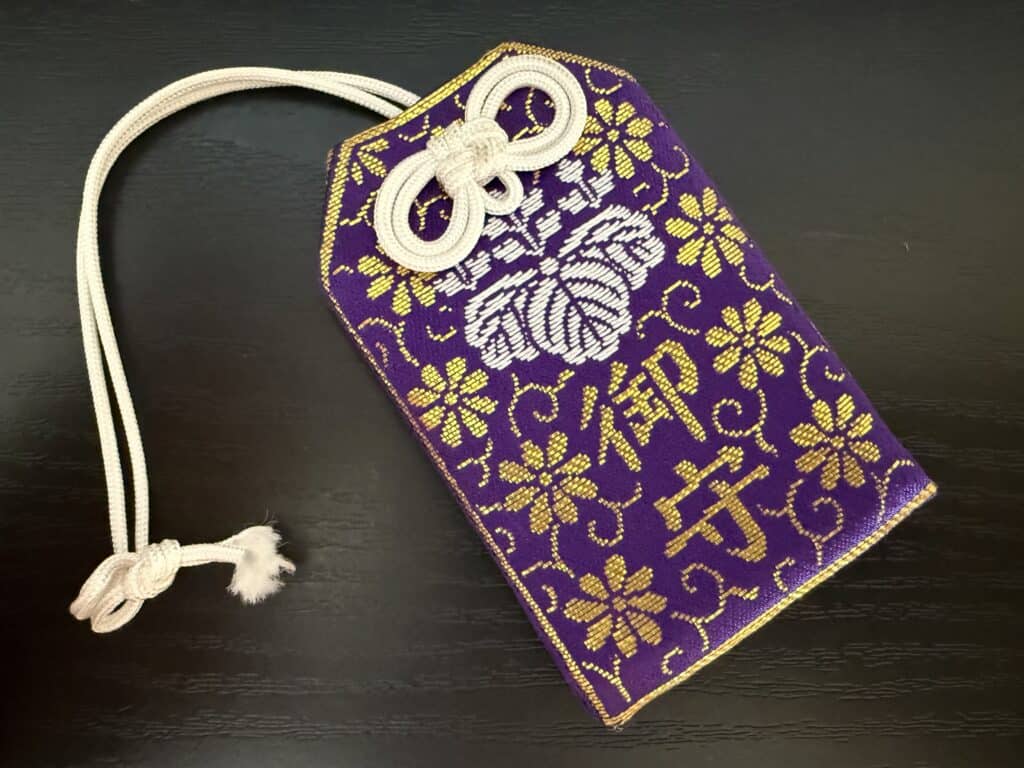
Every twelve years, his garments are changed in a solemn and private ritual. His old robes are cut, and small pieces are enclosed in cloth packets sold as omamori, charms believed to bring blessings and protection to those who carry them.
As the priest of Honmyōji reminded me, the blessings and conveniences we enjoy today are thanks to the sacrifices and efforts of those who came before us — Honmyōkai and countless others. This humbling realization behooves us to follow in their footsteps, ensuring future generations inherit a world enriched by our efforts, kindness, and commitment to the greater good of humanity.
If you have questions about Japan or suggestions for articles, please add them in the comments. For more photos and information on Japan, follow me on instagram at: https://www.instagram.com/more_than_tokyo/


