

Kagoshima’s Unique Cat Shrine
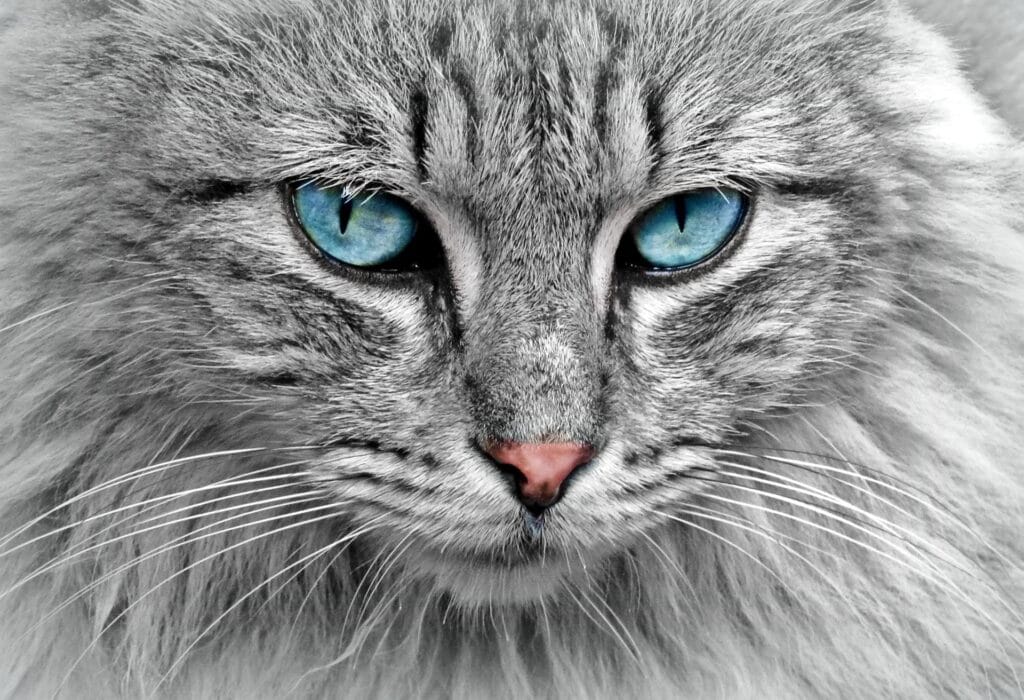
Decades before Europeans started using pocket watches, Shimadzu Yoshihiro relied on a different, more cuddly timepiece. This valorous samurai was the 17th head of the Shimadzu family, feudal lords of all of southern Kyushu since 1185.
By Yoshihiro’s time in the late 16th century, Toyotomi Hideyoshi had succeeded in unifying Japan, but his ambitions did not stop there. Flushed with success, he set his sights on China and, in 1592, sent Japanese armies across the sea to Korea to clear the way.
At the behest of Hideyoshi, Shimadzu Yoshihiro set off to battle in Korea, bringing along his treasured katana, tanegashima machlock gun, kemari ball—and seven cats to help him keep track of the time, and one would suppose, to keep him company.
Fighting on the Korean peninsula was fierce. Japanese forces faced off against the armies of the Joseon Kingdom, reinforced by the vast and seemingly inexhaustible troops of Ming China. The samurai fought valiantly, and none moreso than Yoshihiro, who distinguished himself to such a degree that Ming soldiers nicknamed him “The Demon Shimadzu.”
Nevertheless, Hideyoshi’s dream of becoming emperor of China ended in tremendous losses. After his death at his lavish Kyoto residence, the weary samurai finally retreated, bringing with them slaves, apothecaries, master potters—and, in Yoshihiro’s case, his two surviving cats, Yachi and Take.
On his return to Kagoshima, Yoshihiro had a shrine built on the grounds of Kagoshima Castle next to the toki no kane, the bell used to mark the hours for the town. There, his loyal cats were enshrined as Shinto deities and christened the Kami (Shinto god) of Time.
After the Meiji Restoration in 1868 ended the feudal system in Japan, the Shimadzu family left the castle grounds and moved to their seaside villa, Senganen, bringing the Cat Shrine with them. Today, it remains on a quiet hill behind the Shimadzu estate, one of the very few cat shrines in Japan—and the only one dedicated to the keeping of time.
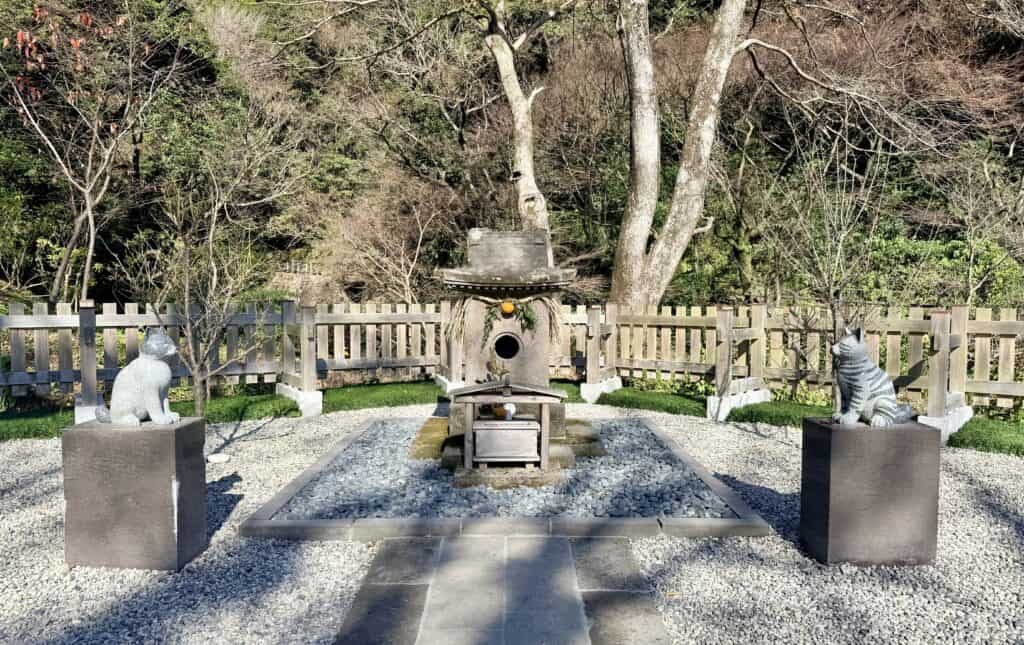
Memorial Services
Each year on “Cat Day,” February 22, the shrine holds the Aibyō Chōju Kigan-sai, a ceremony to pray for the health and longevity of beloved cats.
Another ceremony is held on the little-known Toki no Hi, or “Time Day,” which commemorates the day in 671 AD when Emperor Tenji installed Japan’s first water clock in his capital at Otsu, in what is now Shiga Prefecture. Because Yoshihiro’s cats were instrumental in timekeeping—so much so that Yachi and Take came to be revered as Kami of Time—the shrine holds a Memorial Service for Cats, Aibyo Kuyo-sai, on that day. Clockmakers and cat-lovers alike flock to the shrine to honor Yoshihiro’s trusted “time cats” and the military precision he achieved during the Korean campaigns, thanks to their help.
The shrine’s ema depict Yoshihiro’s two cats. Visitors write their prayers and wishes on these wooden votive tablets and hang them at the shrine. Some ask for the return of a missing cat, others for healing, but most simply pray for long, healthy lives for their furry friends.
How to tell time with a cat
In the mid-17th century, the scholar Tanigawa Shisei penned this catchy poem to explain how to tell time by observing a cat’s eyes. As is typical of Japanese, the subject is understood.
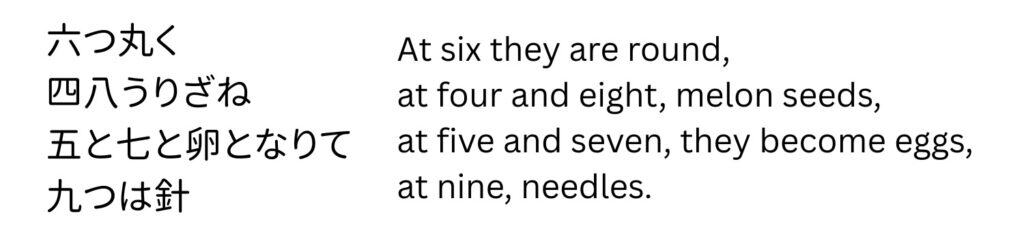
Translated from the Edo-era time terminology, the poem reads:
At sunrise and sunset, they are round.
At 8 am and 4 pm, they are egg-shaped.
At 10 am and 2 pm, they are melon-seed shaped*
At noon, like a needle.
*Melon-seed was a common descriptive shape back in the day, probably more familiar to us as the shape of a persimmon seed.
Anyone who has spent time around cats will have noticed this. Their pupils widen into dark circles at night and narrow to thin slits in bright daylight. By learning these changes and keeping a cooperative cat handy, it’s possible to make a rough, but practical, estimate of the time.
If you ever find yourself in Kagoshima, consider visiting Senganen and seeking out the Cat Shrine dedicated to the Kami of Time—the only one of its kind in Japan.
I don’t think I’ll ever look at a cat the same way again.
If you have questions about Japan or suggestions for articles, please add them in the comments. For more photos and information on Japan, follow me on instagram at: https://www.instagram.com/more_than_tokyo/


