

Banishing myths by looking at the greatest samurai battle in history
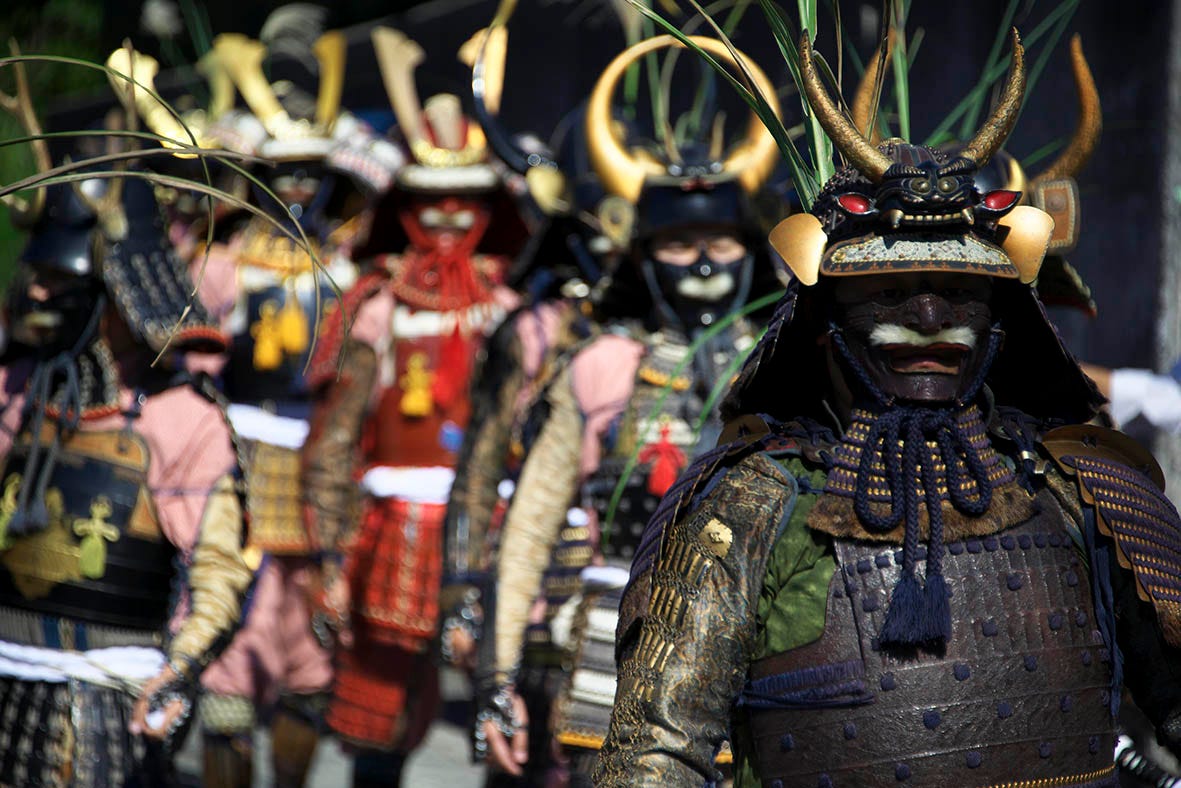
Samurai — many people imagine these romantic, stoic, and fierce armor-clad warriors to have been bound by a strict moral code of discipline, dedication, and loyalty to death.
Is this myth or reality — or a mix of both?
Samurai
Samurai made up the warrior class during Japan’s 700 year feudal period that started in 1185. During the 260 years of the Edo era (1603–1867), they held the highest social class and were granted the privilege of killing anyone who they felt had affronted them, kiri-sute gomen, 斬捨御免.
Commoners stepped aside and bowed in deference when they were passed on the street by a samurai, who always carried the signs of his status — his long and short swords — tucked in his belt, threateningly visible to all.
Today, much of our idea of samurai can be traced to two books that set out to describe the code of these men, or bushido, 武士道, the way of the warrior. Both are anachronistic, written during eras in which samurai were not warring but rather quietly working as bureaucrats and administrators.
Hagakure: The Secret Wisdom of the Samurai is a collection of nostalgic commentaries by a clerk, Yamamoto Tsunemoto, a former retainer of the daimyo of Hizen Province, now Saga Prefecture. According to Tsunemoto, samurai achieved a sense of freedom by accepting that death was the inevitable and supreme service to their lord. This irrational view of the samurai was revisited by the military in the buildup to WWII and laid the groundwork for the fanatical devotion that spurred Japanese soldiers to fight to the death.
…the way of the warrior is to die.
Yamamoto Tsunemoto
Perhaps the most famous book about samurai is Bushido: The Soul of Japan, written in 1899 by American-educated Inatō Nitobe. By drawing parallels with Western chivalry, Nitobe set out to explain to Western audiences how Japan imparts moral education without religious instruction in schools.
…the light of chivalry, which was a child of feudalism, still illuminates our moral path…
Inatō Nitobe
People today may wonder what samurai were like, what was reality, and what are misconceptions. Let’s look at three common myths and throw some light on them by referring to the milestone Battle of Sekigahara that set the stage for the 260 years of the Tokugawa Shogunate.
Myth #1 — Samurai were selflessly loyal to the death
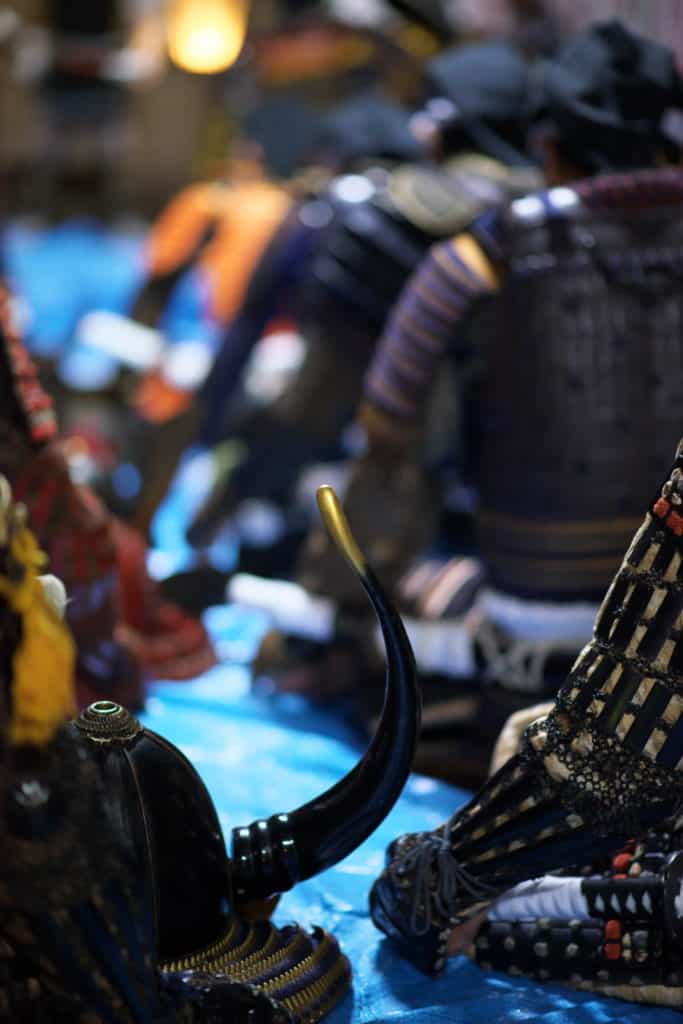
The 47 ronin who avenged their lord Asano Naganori’s honor are a perfect example of selfless loyalty to the death. But not all samurai were so loyal.
Reality
The relationship between a samurai and his lord was contractual and reflected the Confucian ethics that had been a bedrock of education for centuries, ever since Shotoku Taishi’s first constitution was issued in 604. In his constitution, Taishi elucidated the ideal philosophy by which rulers should paternally rule, and by which those ruled over should show respect, deference, and obedience to their superiors.
History shows us that samurai were loyal to their lords as long as it was beneficial, and they switched allegiances when it suited them.
Example
At the epic Battle of Sekigahara, over 160,000 samurai clashed in a conflict that would determine the future of the country. The Eastern army, led by Tokugawa Ieyasu, faced off against the Western army, led by Ishida Mitsunari. The victor would go on to rule over a newly united Japan. The stakes could not have been higher.
When the mist lifted above the battlefield at 8:00 on the morning of October 1, 1600, the fighting commenced. Horses thundered, rifles cracked, spears thrust, and blood spilled on the ground.
Watching this carnage from the hillside was 18-year-old Kobayakawa Hideaki. This young warrior had already made a name for himself, and today’s battle would turn on his decisions.
In the weeks preceding, Hideaki had been approached by Ishida Mitsunari who promised him the title of Kanpaku, ruler of the country until Toyotomi Hideyoshi’s young son came of age.
Hideaki had also been approached by Tokugawa Ieyasu, who promised him lands and wealth if he were to come to his side.
As the sun rose higher in the sky and the battle raged below, Hideaki remained motionless on his horse, wrestling with the weighty decision before him.
Just before noon, Ieyasu ordered his troops to fire on Hideaki. This forced his hand, prompting him to charge down the hillside and attack the Western troops. Other Western daimyos saw his defection and several followed, turning savagely on the armies loyal to Ishida Mitsunari.
The battle was decided.
By 3:00 that afternoon, a victorious Tokugawa Ieyasu was inspecting the severed and washed heads of his enemies.
Myth #2 — Samurai live to die
…the way of the warrior is to die.
Yamamoto Tsunemoto
There were, without a doubt, many valourous samurai who epitomized this ideal of Bushidō, not the least of which was Kusunoki Masashige, who, when faced with death, yearned only to have seven lives to give for his country.
But others did not.
Reality
Many samurai, like other warriors around the world, would flee to save their life.
The man who runs away may fight again.
Demosthenes
Example
At the Battle of Sekigahara, many samurai who had joined the Western army fled in retreat when they saw their cause was lost. One such man was the mighty warrior, Shimadzu Yoshihiro, considered so valorous and fierce that he earned the nickname, “Demon Shimadzu,” in his battles against Ming Chinese armies in Korea during Toyotomi Hideyoshi’s invasions.
At Sekigahara, when he found his cause lost and himself surrounded by enemies, Yoshihiro realized that there was nothing left but to retreat.
After an audacious escape through the center of Ieyasu’s forces, Yoshihiro and his samurai made the long and difficult journey back to his domain in southern Kyushu.
If you are interested in the story of his heroic escape, it is found here — Shimadzu Yoshihiro’s Valor Remembered in Kagoshima’s Myōenji Pilgrimage.
Myth #3 — A katana, able to cut through anything, was the weapon of choice for samurai
Reality
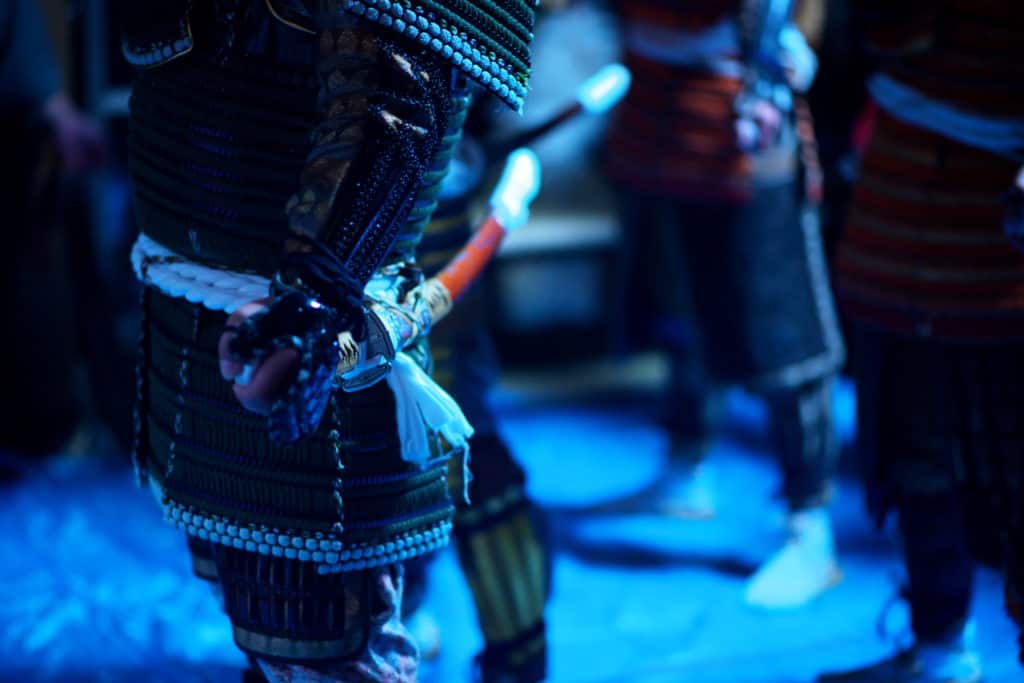
As a privilege of their rank, samurai wore two swords, a short wakizashi, 脇差, and a long katana, 刀. In many cases, katana were treasures handed down through generations. They were fearsome weapons that when handled expertly could sever a head or cleave a torso in half in one blow. But they were not necessarily the weapon of choice.
During the heyday of the samurai during the Warring States period (1333–1573) and the Momoyama period (1573–1603) that culminated in the Battle of Sekigahara, the main weapon of battle was the long spear, or yari, 槍. While some katana, and from the late 16th century matchlock rifles, were used, the spear, with its long reach and relatively light weight was preferred.
Example
Again, we need to look no further than the Battle of Sekigahara, where the main weapon used in battle was, without question, the long spear.
Finally, katanas cannot cut through anything. Hard substances would damage their valuable blades, so they were saved for soft tissue and bone, not armor and helmets.
Samurai studied Confucianism and were, for the most part, practitioners of Zen Buddhism. Their world was one of self-restraint and where vassals submitted to the will of their lords.
But they were human.
References:
Bushidō: The Soul of Japan, Bushidō or Bull, Bushidō: An Ethical and Spiritual Foundation in Japan.
If you have questions about Japan or suggestions for articles, please add them in the comments. For more photos and information on Japan, follow me on instagram at: https://www.instagram.com/more_than_tokyo/


