

• Home
  • About
  • Discover
    • History
    • Culture
    • Nature
    • Food
    • Living in Japan
    • Destinations
    • Language
    • Tips
  • Interview
  • Recommended Books
Exploring the Wonders of Rural Japan
History Destinations

Byakkotai—19 Young Samurai Needlessly Sacrificed Themselves in the Name of Honor

The dreadful, yet noble, tale of the Byakkotai White Tigers
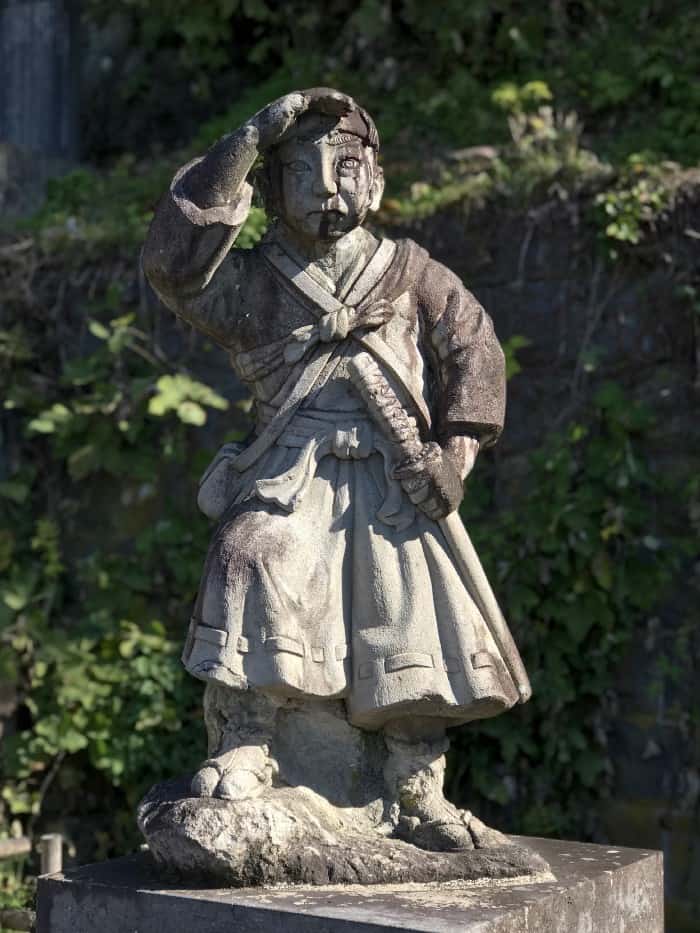
Young samurai looking out from Iimori Hill.
Statue on Iimori Hill, where the young byakkotai looked out over the town of Aizu, Fukushima.

Background

The mid-1800s were a time of turmoil in Japan.

For the 264 years of the Edo Era (1603–1867), Japan had been ruled by the Tokugawa shoguns. Those years of strict control were a time of relative peace. The borders were closed. Foreign interaction was limited to a few tightly regulated port cities, most famously Dejima, a small man-made island off the coast of Nagasaki City.

In 1854, Japan was shaken by its first treaty with a Western power, as the shogun yielded to the intimidating forces of Commodore Perry and his American warships. The floodgates opened to Western trade and influence.
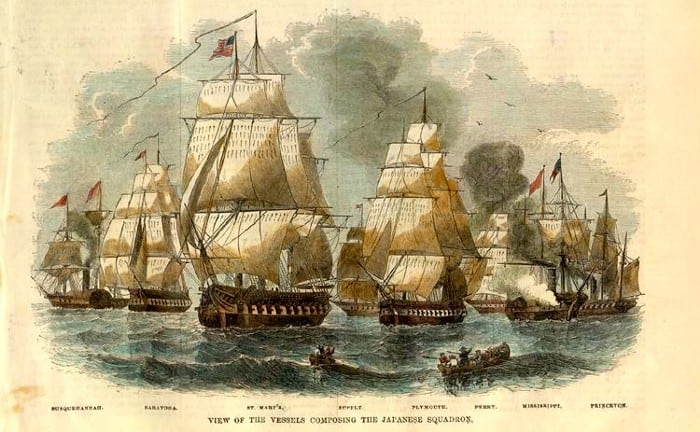
Commodore Perry's fleet in Edo Bay.
Commodore Perry’s fleet in Edo Bay, 1854. (Public domain)

In 1867, the last Tokugawa shogun, Yoshimune, officially resigned and ceremonially returned rule of the country to the emperor, the 14 year old Prince Mutsuhito, who we remember as Emperor Meiji.

Not everyone was happy with these changes.

Bands of masterless samurais, called shishi, or patriots, rallied to the cause of “Revere the emperor, expel the barbarians.”

Domains took sides, those for the new government of the emperor and open to Western influence, and those who wanted to preserve the status quo — the Tokugawa shogunate with the emperor as the lofty figurehead, uninvolved in politics.

Civil war broke out in January 1868. Tokugawa Yoshimune led an army against Kyoto and was defeated by the forces of Satsuma and Choshu, provinces in western Japan, the mainstay of the imperial army.

Battle moved on to Edo, now Tokyo, where the Satsuma leader, Saigo Takamori, negotiated the surrender of Edo Castle. With Edo lost, Yoshimune surrendered and retired to Shizuoka.

But still, the Tokugawa loyalists persisted. The battleground moved north, to the Aizu domain, in Fukushima, where our story takes us.

The Byakkotai, White Tiger Unit

A group of twenty 16–17 year old sons of local samurai made up a portion of the White Tigers, byakkotai, a unit of the Aizu army. After escaping from defeat in battle against the new government’s forces, they made their way through a tunnel to Iimori Hill, overlooking the castle town of Aizu. There they waited for orders and nursed their wounded.
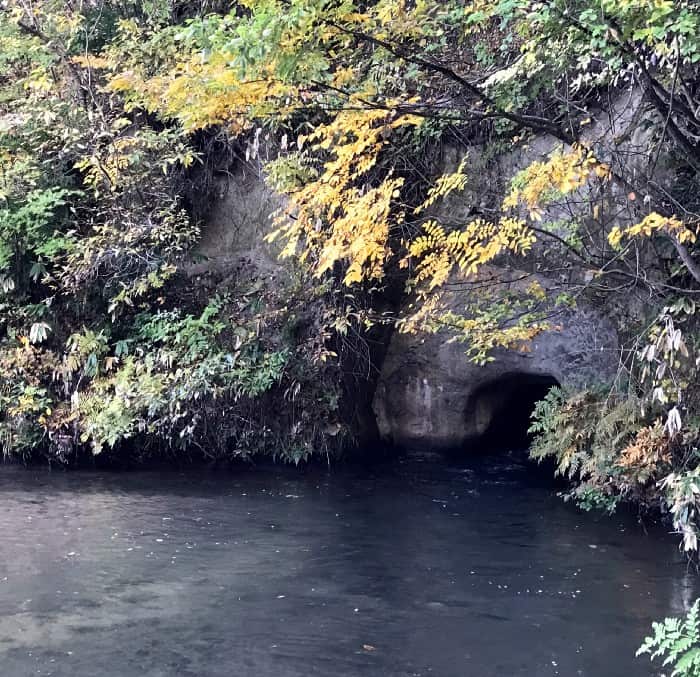
The young samurai reached Iimori Hill via a tunnel.
Tunnel entrance at the foot of Iimori Hill, through which the Byakkotai had made their escape.

Battle raged in the town below. Smoke was rising from the castle. The boys watched in horror from their perch on the hillside. Had their lord been killed? Were their families dead?

Believing the worst, the young men prepared to die.

To their minds, surrender was out of the question. Overcome by emotion, they felt the only honorable way out was through seppuku, the ritual suicide of the samurai. This noble death was good karma, and they could hope to be reborn into another warrior family in their next lives.

The boys knelt and plunged their short swords into their stomachs, their young blood spilling on the ground.

All but one died.
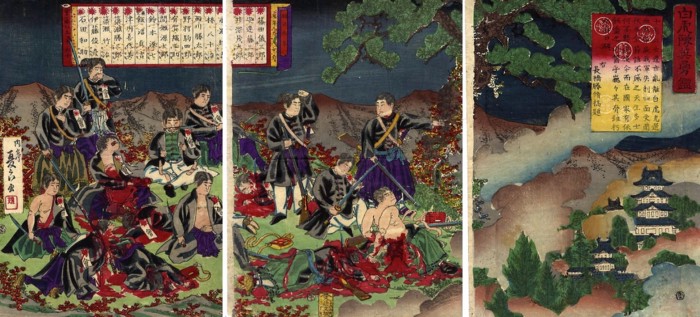
Byakkotai samurai committing suicide.
Byakkotai committing suicide. Nikotei Karyō. (Public domain)

The survivor, Iinuma Sadakichi, was rescued by a peasant. Through him, we know the story of these courageous and noble young men.

The tragedy of the story is that the castle had not burned. The town in front of the castle was on fire, and from their distant view on Iimori Hill, the rising smoke appeared to be coming from the castle.
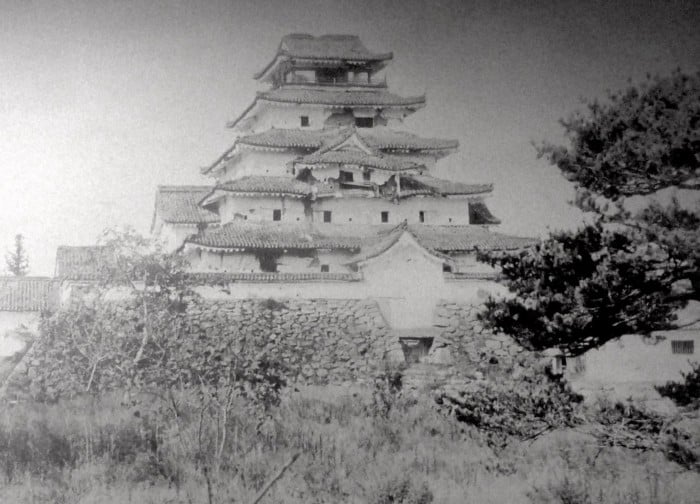
Aizu castle after the battle
Battered, but not destroyed. Aizu castle after the battle. (Public domain)

The bodies of the Byakkotai were left on the mountain. A month later Aizu fell to the imperial forces. The government granted permission for the bodies to be interred.

The Lord of Aizu, Matsudaira Katamori, wrote a poem of remembrance for the youths.

No matter how many people

Wash the stones with their tears,

These names

Will never vanish from the world.
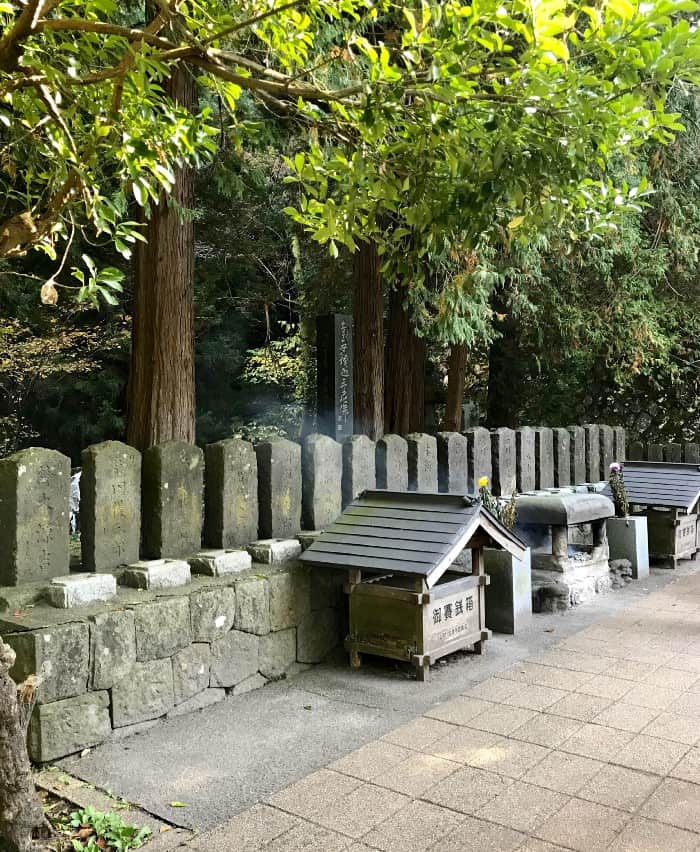
Samurai graves on Iimori hill.
The graves of the 19 young Byakkotai samurai on Iimori Hill, Aizu, Fukushima Prefecture.

The young men’s graves remain on Iimori Hill, not far from where they died. Frequent visitors offer incense and prayers for their peaceful repose.

The battlefields of the civil war continued moving northward, until, in June of 1869, the Tokugawa loyalists in Hokkaido finally surrendered. Emperor Meiji continued unopposed, ruling over a quickly modernizing Japan until his death in 1912.

Photos ©Diane Neill Tincher unless otherwise noted.


Also on Iimori Hill is the amazing Sazaedō spiral temple.
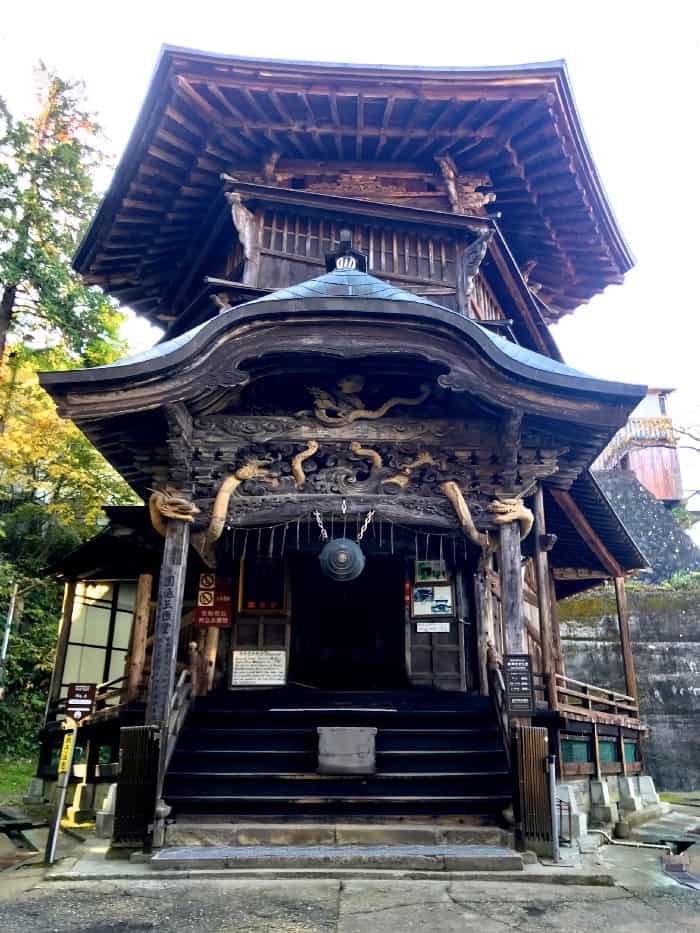
Sazaedo, spiral temple in Aizu Wakamatsu, Fukushima.
Sazaedo, spiral temple in Aizu Wakamatsu, Fukushima. (©Diane Tincher)

If you have questions about Japan or suggestions for articles, please add them in the comments. For more photos and information on Japan, follow me on instagram at: https://www.instagram.com/more_than_tokyo/

Byakkotai Japan Japanese culture Japanese History Samurai tragedy White Tigers
Share
3 Comments
  1. Jonathan Zvonko

    August 23, 2024 1:37 pm

    Been there and going back again soon. Aizu and the area are all beautiful and so is the history.

    Reply
  2. Dushy

    September 22, 2024 5:23 pm

    Thank you. Very useful and sad. In very ancient Tamil literature too we had a similar group called Eyinar. They did likewise. Their goddess was Ei. Her second was goddess Kottravai. The warrior clan ceased to be they say because of this type of honor sacrifice.

    Reply
    1. Diane Tincher

      September 26, 2024 7:39 am

      That is very sad. I wonder how many such cases exist across the history of the world.

      In Japan, when a lord died, it was the custom for his most loyal retainers to take their lives to join him in the afterlife. The last case that I know of occurred on the day of Emperor Meiji’s death in 1912; General Nogi Maresuke and his wife Shizuko committed suicide by seppuku.

      Reply
Leave a Reply Cancel reply

Your email address will not be published. Required fields are marked *

This site uses Akismet to reduce spam. Learn how your comment data is processed.

Previous Post

Itadakimasu—a Japanese Expression of Gratitude

Next Post

Yoroshiku-Onegaishimasu—A Wonderful Word that English Needs

If you enjoy my work and would like to help me continue creating, consider supporting me.

Thank you!
PayPal - The safer, easier way to pay online!
Newsletter

Subscribe

Enter your email for notifications of our latest posts

Tags
architecture Buddhism Christianity Edo Era elderly festivals folklore Food Ghosts gratitude Haunting Hiking history holidays honesty Japan Japanese Japanese cuisine Japanese culture Japanese Customs Japanese Food Japanese History Japanese Language Japanese words that English needs Japan Tips Japan travel Japan Travel Tips Jizō Kagoshima Kōyō Living in Japan longevity Manners Nature New Year Ninja Samurai Shinto shogun Shrine Tips Trade Travel volcano Washoku
Featured Posts
History Religion

The Shimabara Rebellion—The Last Stand of Japan’s Christians

July 8, 2026
History

The Okamoto Daihachi Affair—The Scandal That Turned the Tide Against Christianity in Japan

July 6, 2026
History

The 47 Ronin—Disgrace, Revenge, and Death

June 23, 2026
Destinations Folklore Ghosts

Omatsu Daigongen—The Amazing Cat Temple of Shikoku

June 1, 2026
History

Oura Kei—Unstoppable Pioneering Tea Merchant

January 19, 2026
Most Popular

Shinto — The Peaceful Spiritual Heart of Japan

Shinto gate Lake Biwa

Komorebi—A Beautiful Japanese Word that English Needs

Nakasendo Way

Dondoyaki—Burning New Year’s Decorations to Send off the God of the New Year

Dondoyaki fire

The Jizo Statues of Nashi-no-Ki—1,000s of Unique Offerings of Thanks

Jizo statues at Nashi no Jizo, Sado.

Sugawara no Michizane —Japan’s Three Most Infamous Vengeful Ghosts, part 3

Sugawara Michizane
You might also like
Nakasendo Way
Nature Language

Komorebi—A Beautiful Japanese Word that English Needs

1 Min read
November 11, 2021
temple pagoda
Culture Living in Japan

Death in Japan

8 Mins read
March 22, 2022
Elephant by Kano Furunobu
History

The Incredible Tale of the Elephant Who Had an Audience with the Japanese Emperor

7 Mins read
April 6, 2022
Exploring the wonders of rural Japan
Exploring the Wonders of Rural Japan
  • Home
  • About
  • Recommended Books
  • Interview
  • Privacy Policy
Exploring the Wonders of Rural Japan
  • Home
  • About
  • Discover
    • History
    • Culture
    • Nature
    • Food
    • Living in Japan
    • Destinations
    • Language
    • Tips
  • Interview
  • Recommended Books
We use cookies on our website to give you the most relevant experience by remembering your preferences and repeat visits. By clicking “Accept”, you consent to the use of ALL the cookies.
Do not sell my personal information.
Cookie SettingsAccept
Manage consent

Privacy Overview

This website uses cookies to improve your experience while you navigate through the website. Out of these, the cookies that are categorized as necessary are stored on your browser as they are essential for the working of basic functionalities of the website. We also use third-party cookies that help us analyze and understand how you use this website. These cookies will be stored in your browser only with your consent. You also have the option to opt-out of these cookies. But opting out of some of these cookies may affect your browsing experience.
Necessary
Always Enabled
Necessary cookies are absolutely essential for the website to function properly. These cookies ensure basic functionalities and security features of the website, anonymously.
CookieDurationDescription
cookielawinfo-checkbox-analytics11 monthsThis cookie is set by GDPR Cookie Consent plugin. The cookie is used to store the user consent for the cookies in the category "Analytics".
cookielawinfo-checkbox-functional11 monthsThe cookie is set by GDPR cookie consent to record the user consent for the cookies in the category "Functional".
cookielawinfo-checkbox-necessary11 monthsThis cookie is set by GDPR Cookie Consent plugin. The cookies is used to store the user consent for the cookies in the category "Necessary".
cookielawinfo-checkbox-others11 monthsThis cookie is set by GDPR Cookie Consent plugin. The cookie is used to store the user consent for the cookies in the category "Other.
cookielawinfo-checkbox-performance11 monthsThis cookie is set by GDPR Cookie Consent plugin. The cookie is used to store the user consent for the cookies in the category "Performance".
viewed_cookie_policy11 monthsThe cookie is set by the GDPR Cookie Consent plugin and is used to store whether or not user has consented to the use of cookies. It does not store any personal data.
Functional
Functional cookies help to perform certain functionalities like sharing the content of the website on social media platforms, collect feedbacks, and other third-party features.
Performance
Performance cookies are used to understand and analyze the key performance indexes of the website which helps in delivering a better user experience for the visitors.
Analytics
Analytical cookies are used to understand how visitors interact with the website. These cookies help provide information on metrics the number of visitors, bounce rate, traffic source, etc.
Advertisement
Advertisement cookies are used to provide visitors with relevant ads and marketing campaigns. These cookies track visitors across websites and collect information to provide customized ads.
Others
Other uncategorized cookies are those that are being analyzed and have not been classified into a category as yet.
SAVE & ACCEPT