

• Home
  • About
  • Discover
    • History
    • Culture
    • Nature
    • Food
    • Living in Japan
    • Destinations
    • Language
    • Tips
  • Interview
  • Recommended Books
Exploring the Wonders of Rural Japan
Tips Culture Living in Japan

10 Surprising—or Not—Things Not To Do in Japan

Consideration For Others is the Key
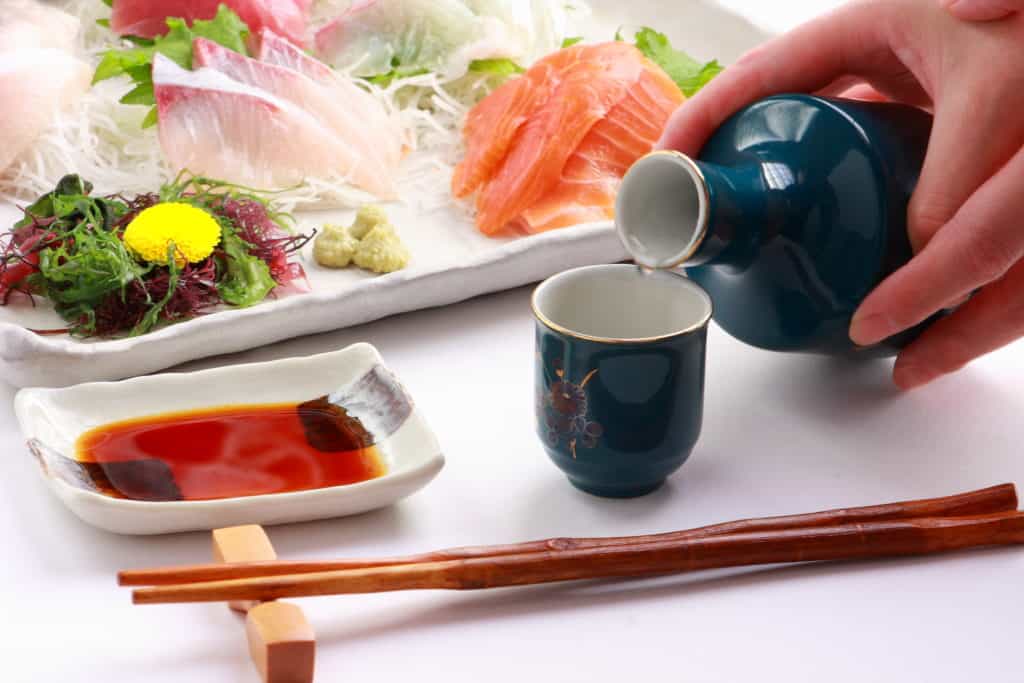
Pouring your own drink is one of the things not to do in Japan
Don’t pour your own drink in Japan (depositphotos)

Things Not to Do in Japan

1. Pour your own drink.

If you are eating alone, it’s fine. But if you are with other people, pouring your own drink can make you look like a drunkard.

Etiquette requires that we pour each other’s drinks.

2. Pass food from one to another using chopsticks or stick your chopsticks into rice.

At Japanese cremations, after the body is burned, the loved one’s bones are passed using chopsticks, one by one, from one family member to the other until they reach the urn, into which they are delicately placed.

You can see why passing food with chopsticks in the same manner would be frowned upon.

If you want to share food, use your chopsticks to move the food from one plate to the other first.

Sticking them upright into your rice also resembles a funeral ritual. Put your chopsticks on the chopstick rest when taking a break from eating.

3. Leave a tip.

Workers in Japan are generally paid a living wage, and tipping is not part of the culture. If you leave a tip, the waiter will probably run after you to return your “forgotten money.”

4. Pour soy sauce on your rice.

Years ago, a friend did just that. When the waitress saw it, she thought my friend had had an accident. “I’ll bring you another bowl of rice,” she said as she hurriedly whisked his soy sauce covered rice away.

Japanese rice is delicious as is, and it should be savored with the side dishes served. Rice and miso soup go together like bread and butter — but generally not mixed.
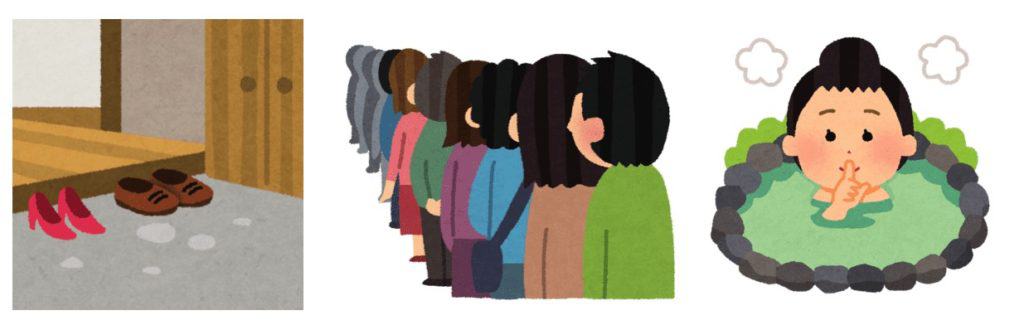
Take off shoes, line up properly, quiet and clean in bath.
TAke off your shoes, line up properly, quiet and clean in bath. (Images courtesy of irasutoya)

5. Wear shoes in the house.

In fact, be prepared to slip off your shoes when entering temples and shrines, traditional inns, and when being seated on tatami mats at restaurants.

Shoe etiquette is such a big topic, it deserves its own post. You can read it here.

6. Talk loudly in public.

In fact, don’t talk on your phone at all when riding on buses or trains. Texting is not a problem — everybody does it.

The Japanese are accustomed to speak almost in whispers, and despise us foreigners on account of our loud talking.

Jorge Alvarez, PORTUGUESE SEA CAPTAIN who visited Japan in 1546

7. Blow your nose in public.

It’s gross and it grates against the sensibilities of polite society. Find a private spot, bathroom stall, or someplace no one will see and hear you. It’s best to not sneeze loudly, too.

8. Step into the bath without first washing yourself to pristine cleanliness.

Bathwater is shared. It behooves us to keep it as clean as possible for those bathing after us. And don’t add cold water to it, no matter how hot you think it is. 

Click this link to read more about how to navigate Japanese onsens.

9. Point.

The way to point is to discreetly gesture with your hand. You will see Japanese people, when referring to themselves, point at their noses. That’s okay. But using your finger to point at other people or places is a no-no.

10. Cut in line.

I don’t know anywhere in the world where it is acceptable to cut in line, but Japanese take the art of queuing to new heights, lining up in an orderly fashion. This is definitely the way to do it. 

To Sum It Up

A good rule of thumb is to be considerate of others by leaving things cleaner than you found them — be it your seat on a train, the wash area in a public bath, or even a park bench.

And one more thing! There are few public trash cans, so always be prepared to carry your trash with you back to your hotel.
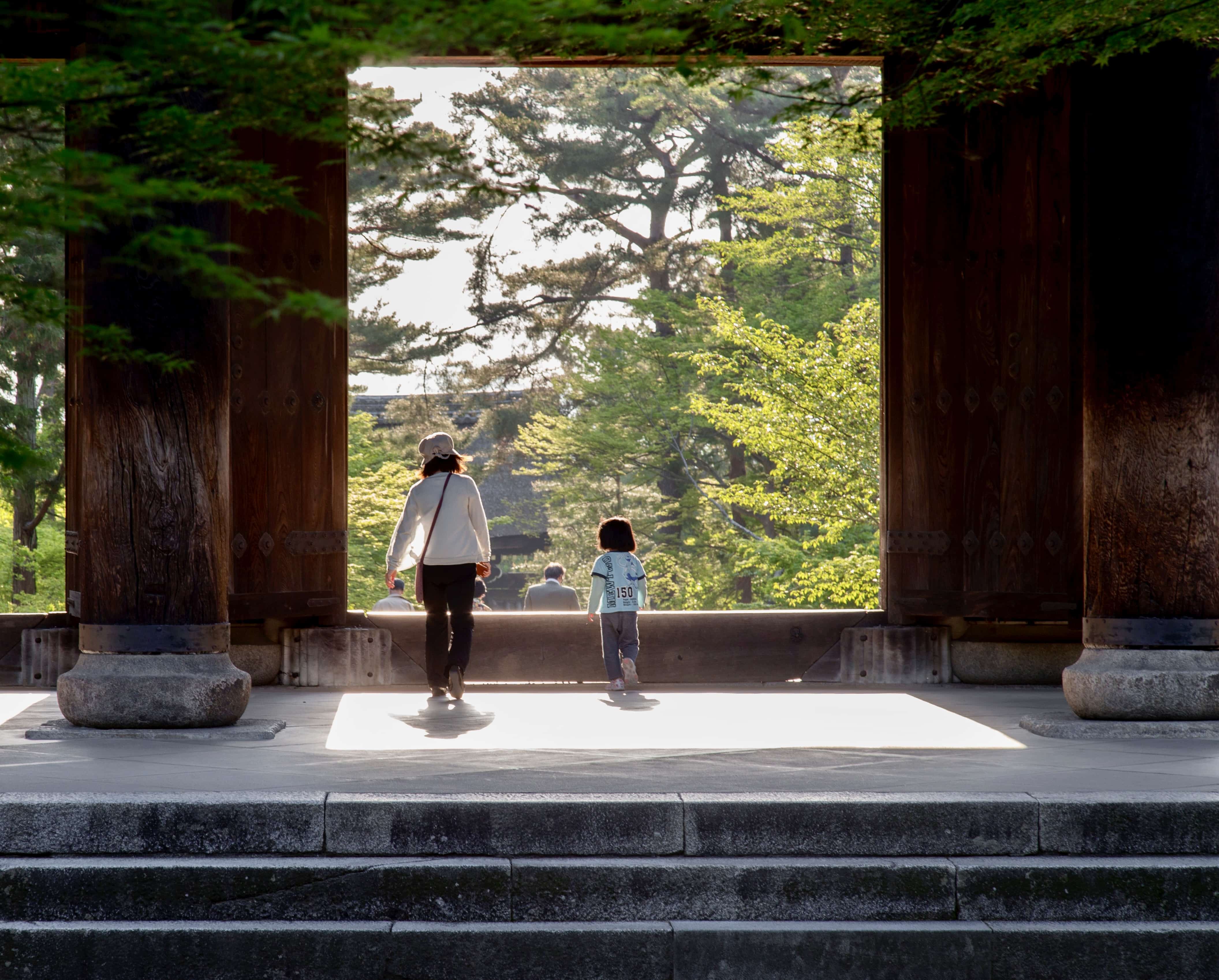
Leaving a temple in Japan
(Andrey Grushnikov, pexels. No attribution required.)

If you have questions about Japan or suggestions for articles, please add them in the comments. For more photos and information on Japan, follow me on instagram at: https://www.instagram.com/more_than_tokyo/

Japan Japan Tips Japan travel Japan Travel Tips Japanese culture Japanese Customs Tips
Share
Write Comment
Leave a Reply Cancel reply

Your email address will not be published. Required fields are marked *

This site uses Akismet to reduce spam. Learn how your comment data is processed.

Previous Post

Forest Bathing — The Japanese Practice of Shinrin-Yoku

Next Post

10 Tips for a Delightful Japanese Onsen Experience

If you enjoy my work and would like to help me continue creating, consider supporting me.

Thank you!
PayPal - The safer, easier way to pay online!
Newsletter

Subscribe

Enter your email for notifications of our latest posts

Tags
architecture Buddhism Christianity Edo Era elderly festivals folklore Food Ghosts gratitude Haunting Hiking history holidays honesty Japan Japanese Japanese cuisine Japanese culture Japanese Customs Japanese Food Japanese History Japanese Language Japanese words that English needs Japan Tips Japan travel Japan Travel Tips Jizō Kagoshima Kōyō Living in Japan longevity Manners Nature New Year Ninja Samurai Shinto shogun Shrine Tips Trade Travel volcano Washoku
Featured Posts
History Religion

The Shimabara Rebellion—The Last Stand of Japan’s Christians

July 8, 2026
History

The Okamoto Daihachi Affair—The Scandal That Turned the Tide Against Christianity in Japan

July 6, 2026
History

The 47 Ronin—Disgrace, Revenge, and Death

June 23, 2026
Destinations Folklore Ghosts

Omatsu Daigongen—The Amazing Cat Temple of Shikoku

June 1, 2026
History

Oura Kei—Unstoppable Pioneering Tea Merchant

January 19, 2026
Most Popular

Shinto — The Peaceful Spiritual Heart of Japan

Shinto gate Lake Biwa

Komorebi—A Beautiful Japanese Word that English Needs

Nakasendo Way

Dondoyaki—Burning New Year’s Decorations to Send off the God of the New Year

Dondoyaki fire

The Jizo Statues of Nashi-no-Ki—1,000s of Unique Offerings of Thanks

Jizo statues at Nashi no Jizo, Sado.

Sugawara no Michizane —Japan’s Three Most Infamous Vengeful Ghosts, part 3

Sugawara Michizane
You might also like
Nakasendo Way
Nature Language

Komorebi—A Beautiful Japanese Word that English Needs

1 Min read
November 11, 2021
temple pagoda
Culture Living in Japan

Death in Japan

8 Mins read
March 22, 2022
Elephant by Kano Furunobu
History

The Incredible Tale of the Elephant Who Had an Audience with the Japanese Emperor

7 Mins read
April 6, 2022
Exploring the wonders of rural Japan
Exploring the Wonders of Rural Japan
  • Home
  • About
  • Recommended Books
  • Interview
  • Privacy Policy
Exploring the Wonders of Rural Japan
  • Home
  • About
  • Discover
    • History
    • Culture
    • Nature
    • Food
    • Living in Japan
    • Destinations
    • Language
    • Tips
  • Interview
  • Recommended Books
We use cookies on our website to give you the most relevant experience by remembering your preferences and repeat visits. By clicking “Accept”, you consent to the use of ALL the cookies.
Do not sell my personal information.
Cookie SettingsAccept
Manage consent

Privacy Overview

This website uses cookies to improve your experience while you navigate through the website. Out of these, the cookies that are categorized as necessary are stored on your browser as they are essential for the working of basic functionalities of the website. We also use third-party cookies that help us analyze and understand how you use this website. These cookies will be stored in your browser only with your consent. You also have the option to opt-out of these cookies. But opting out of some of these cookies may affect your browsing experience.
Necessary
Always Enabled
Necessary cookies are absolutely essential for the website to function properly. These cookies ensure basic functionalities and security features of the website, anonymously.
CookieDurationDescription
cookielawinfo-checkbox-analytics11 monthsThis cookie is set by GDPR Cookie Consent plugin. The cookie is used to store the user consent for the cookies in the category "Analytics".
cookielawinfo-checkbox-functional11 monthsThe cookie is set by GDPR cookie consent to record the user consent for the cookies in the category "Functional".
cookielawinfo-checkbox-necessary11 monthsThis cookie is set by GDPR Cookie Consent plugin. The cookies is used to store the user consent for the cookies in the category "Necessary".
cookielawinfo-checkbox-others11 monthsThis cookie is set by GDPR Cookie Consent plugin. The cookie is used to store the user consent for the cookies in the category "Other.
cookielawinfo-checkbox-performance11 monthsThis cookie is set by GDPR Cookie Consent plugin. The cookie is used to store the user consent for the cookies in the category "Performance".
viewed_cookie_policy11 monthsThe cookie is set by the GDPR Cookie Consent plugin and is used to store whether or not user has consented to the use of cookies. It does not store any personal data.
Functional
Functional cookies help to perform certain functionalities like sharing the content of the website on social media platforms, collect feedbacks, and other third-party features.
Performance
Performance cookies are used to understand and analyze the key performance indexes of the website which helps in delivering a better user experience for the visitors.
Analytics
Analytical cookies are used to understand how visitors interact with the website. These cookies help provide information on metrics the number of visitors, bounce rate, traffic source, etc.
Advertisement
Advertisement cookies are used to provide visitors with relevant ads and marketing campaigns. These cookies track visitors across websites and collect information to provide customized ads.
Others
Other uncategorized cookies are those that are being analyzed and have not been classified into a category as yet.
SAVE & ACCEPT