

A present for Toyotomi Hideyoshi
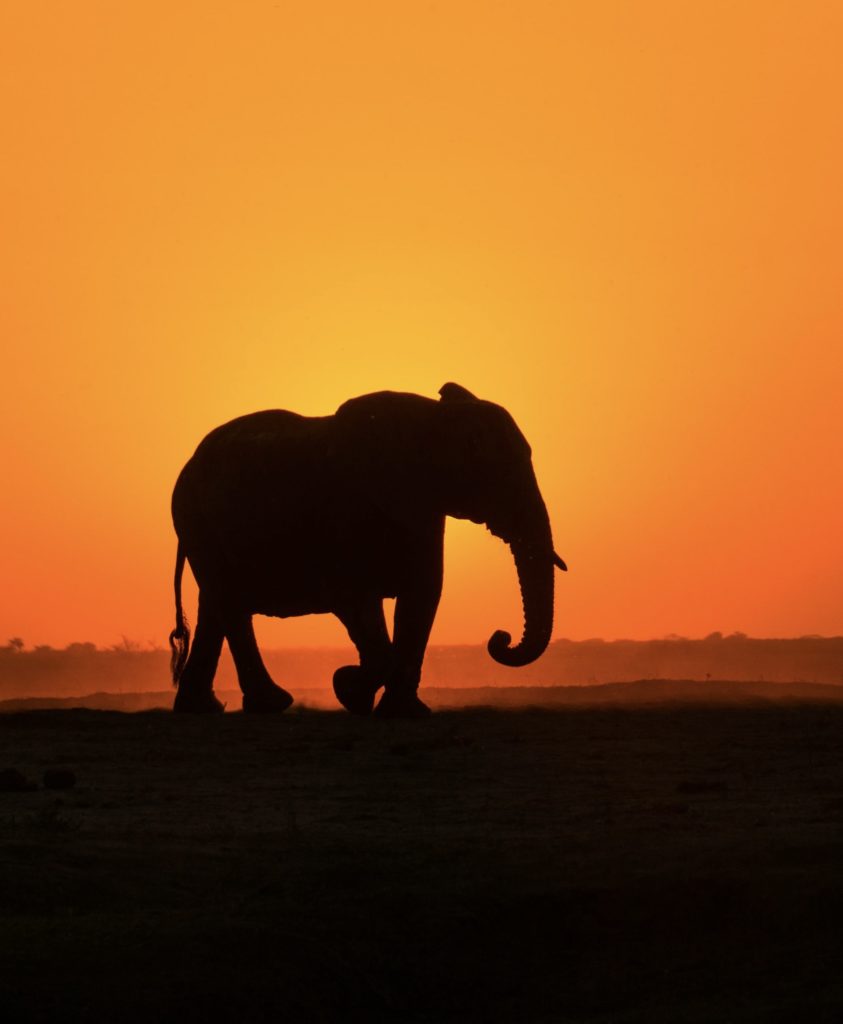
An Asian elephant who had been living in the Philippines played an unexpected role in relations with Japan.
But before exploring that story, please allow me to share some vital background.
The Tragedy
On October 19, 1596, the Spanish galleon San Felipe was on its way from Manila to Acapulco, its holds filled with silks, spices, ivory, and other precious goods. Because of a delayed departure, it sailed squarely in the middle of typhoon season. After enduring three typhoons, the battered ship approached Japanese waters. Crew members urged the captain to seek refuge in foreign-friendly Nagasaki. The captain refused, having heard of Taikō Toyotomi Hideyoshi’s kind treatment of Spanish missionaries. Surely the great warlord would welcome Spanish traders.
As the crippled San Felipe approached Shikoku Island, the local daimyō, Chōsokabe Motochika, dispatched 200 armed vessels to guide it to port. Once it entered Urado Bay, the Spanish ship ran aground on a sandbar.
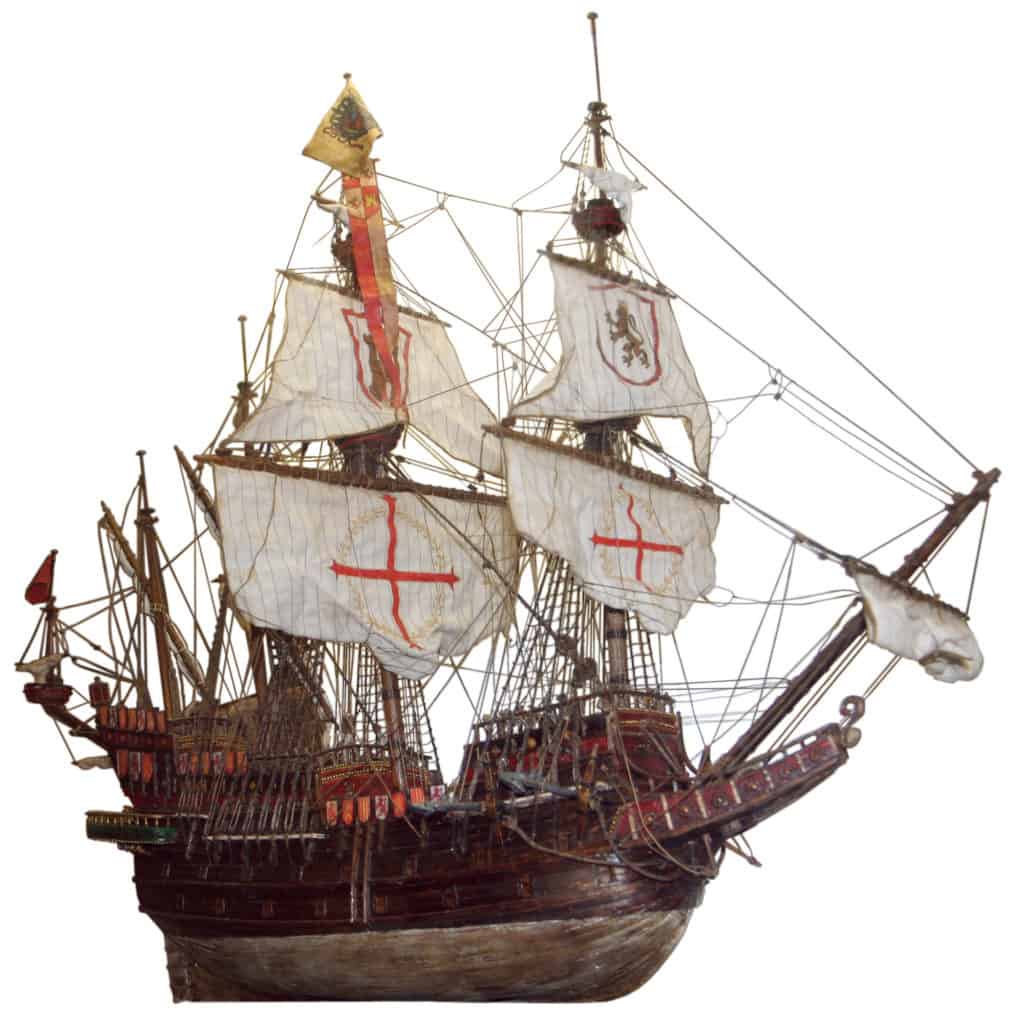
Daimyō Chōsokabe took advantage of this windfall from the Manila-Acapulco Trade and confiscated its valuable cargo. News of this bonanza soon reached the ears of Toyotomi Hideyoshi in Osaka.
Things went from bad to worse for the Spanish when the ship’s pilot imprudently told Japanese authorities that it was Spanish strategy to send missionaries to infiltrate a country before an eventual military conquest, a tactic they had successfully employed in the Americas and the Philippines. This news also reached Hideyoshi, and he was not pleased.
In January 1597, in anger and retaliation against the Spanish, Hideyoshi ordered the immediate arrest of missionaries — the Spanish Franciscan who had been sent as Philippine ambassador to Japan, his three friars, as well as catechists and helpers — one Portuguese, one Mexican, three Japanese Jesuits, 17 Japanese lay Franciscans, and even three young altar boys.
This unfortunate group was jailed in Kyoto and subjected to the stigmatic punishment of each having part of their left ear cut off. They were then paraded 800 miles amidst snowfall to Nagasaki. Brought to the execution grounds, they were crucified and impaled with lances on Nishizaka Hill overlooking Nagasaki on February 5, 1597.
Beyond the deaths of these martyrs, the San Felipe incident ignited a wave of severe persecution of Christians. Churches were destroyed, missionaries were expelled from Japan, and Christianity was outlawed.
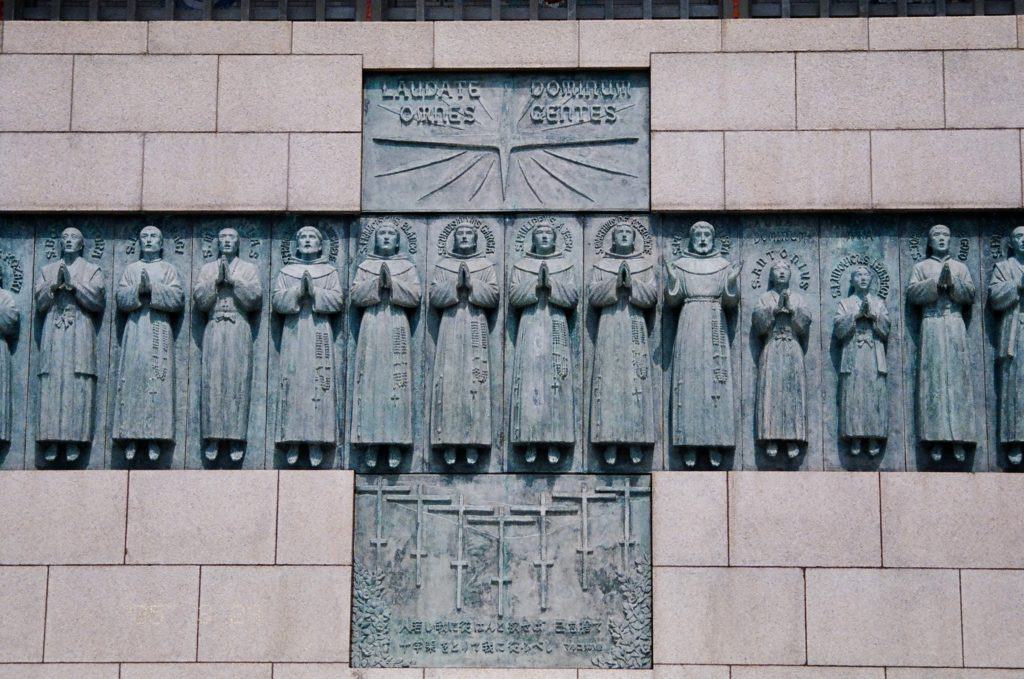
On June 8, 1862, Pope Pius IX canonized the 26 Christians. They are remembered at the 26 Martyrs of Japan Memorial in Nagasaki City.
But what does that tragedy have to do with elephants?
Elephant Diplomacy
As a gesture to mend strained relations and ensure future trade in the aftermath of the San Felipe incident and the crucifixion of their beloved ambassador, Friar Pedro Bautista, and his company, the Spanish Governor-General Francisco Tello of the Philippines wished to present the formidable Taikō of Japan, Toyotomi Hideyoshi, with something extraordinary.
That extraordinary gift was an elephant named Don Pedro.
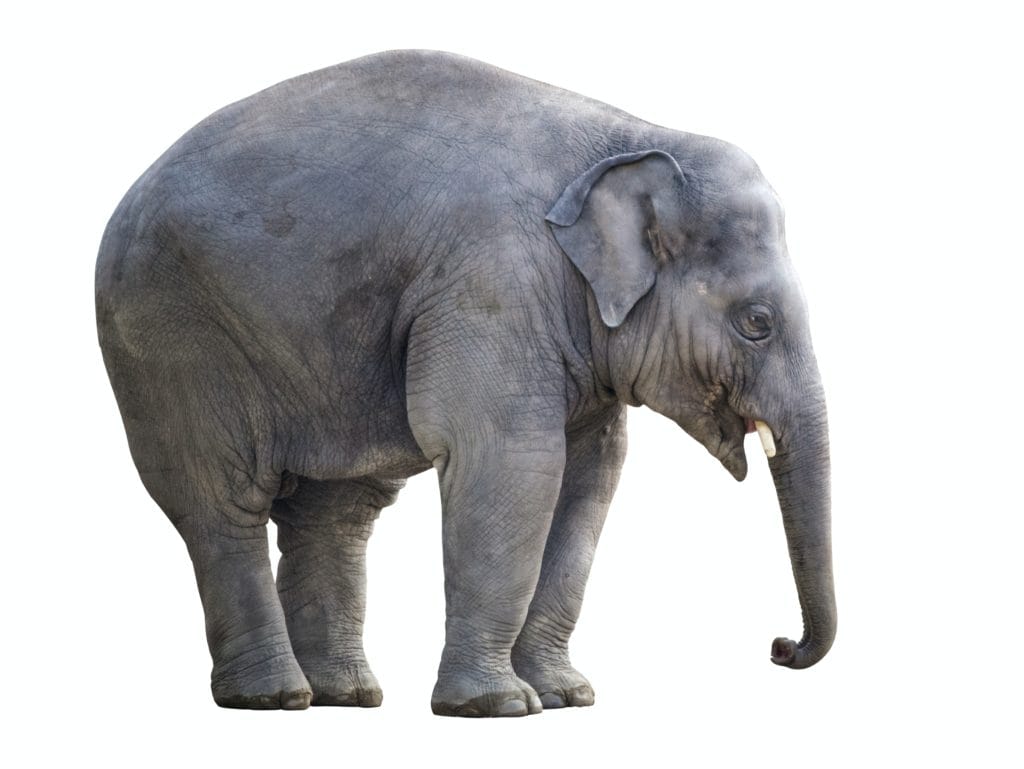
In August 1597, an embassy under the leadership of Captain Don Luis de Navarette Fajardo arrived in Japan bearing gifts. Among these offerings was a portrait of the illustrious governor-general and, yes, an elephant. Hideyoshi issued a directive for the embassy’s delegation to proceed to Osaka.
As news of the elephant’s arrival spread, curiosity surged through Osaka. The prospect of seeing such an exotic, near-mythical beast stirred the hearts of the people.
Soon, the streets were inundated with hordes of eager onlookers, all vying for a glimpse of the elephant. The crowds thronged to such a degree that not even the sternest blows from cudgels could disperse them. Seeing the gravity of this near riot, Hideyoshi’s servants rallied an additional hundred strong men wielding clubs.
As the men pushed, prodded, and herded the multitudes to the sides to make way for Don Pedro, several people were killed beneath the trampling feet of the unruly masses.
When the Spaniards and their entourage finally reached Hideyoshi’s grand Osaka Castle, dignitaries and nobles gathered at the gate to welcome them. Passing through the gates, they entered the first chamber and were met by Hideyoshi himself. He held the hand of young Hideyori, a mere four years old, the eyes of both father and son filled with eager anticipation to see the elephant.
The Spanish Captain, Don Luis, his interpreter, Lorenzo, and their four attendants approached Hideyoshi, and following their European customs, stood and bowed three times. Hideyoshi returned the gesture and extended warm greetings to the captain and his men.
With caution, Hideyoshi approached the elephant, Don Pedro. Upon a command from his mahout, the mighty beast knelt, raised his trunk above his head, and let out a resounding trumpet. Hideyoshi gasped.
Astonished, the Taikō turned to the interpreter and asked, “What was that!?” The interpreter explained that the elephant had recognized the presence of His Highness and had saluted him.
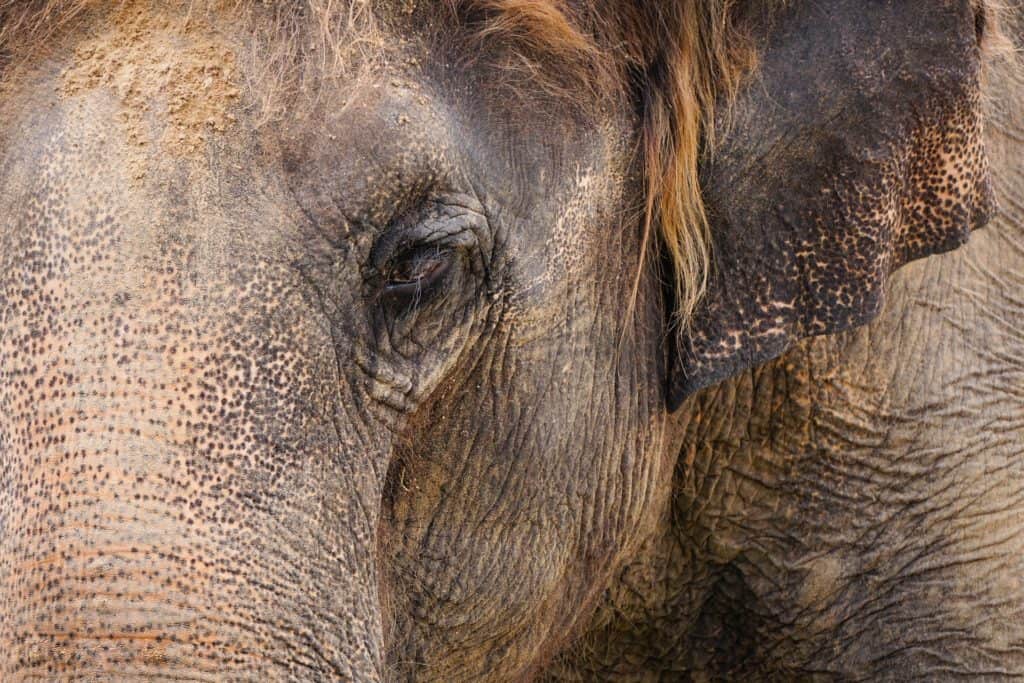
Now filled with wonder, Hideyoshi asked whether the elephant had a name, to which Lorenzo replied that it was known as Don Pedro. Drawing nearer to this remarkable creature, Hideyoshi called, “Don Pedro, Don Pedro.” In response, the elephant repeated its salute, lifting its trunk and trumpeting in the same marvelous manner.
Overwhelmed and delighted, the mighty warlord Hideyoshi clapped his hands like a happy child and cried, “O sate, sate!” Well, well!
Hideyoshi asked what such a beast ate.
“It will eat anything it is given, Your Highness.”
Hearing this, Hideyoshi ordered fruit, and his attendants brought out two trays of melons and peaches. He chose a plump, pink peach and held it out to Don Pedro. The beast gently grasped the fruit with its trunk and lifted it high above his head before dropping it into his gaping mouth.
The rest of the fruit was placed before the elephant, and without hesitation, Don Pedro ate all the melons and peaches, swallowing them whole without spitting out the seeds or pits.
Hideyoshi was enthralled. He could not get enough of Don Pedro. He gazed at the elephant while listening to tales of the extraordinary intelligence of this beast that, to his eyes, appeared so ugly and strange.
This ends the record of the meeting.
Although seemingly pleased almost beyond words, Hideyoshi sent a less than grateful thank-you letter to the Spanish governor-general of Manila.
Thank you for the black elephant. Last year, the Chinese promised me a white elephant…
You see, he really wanted a white one.
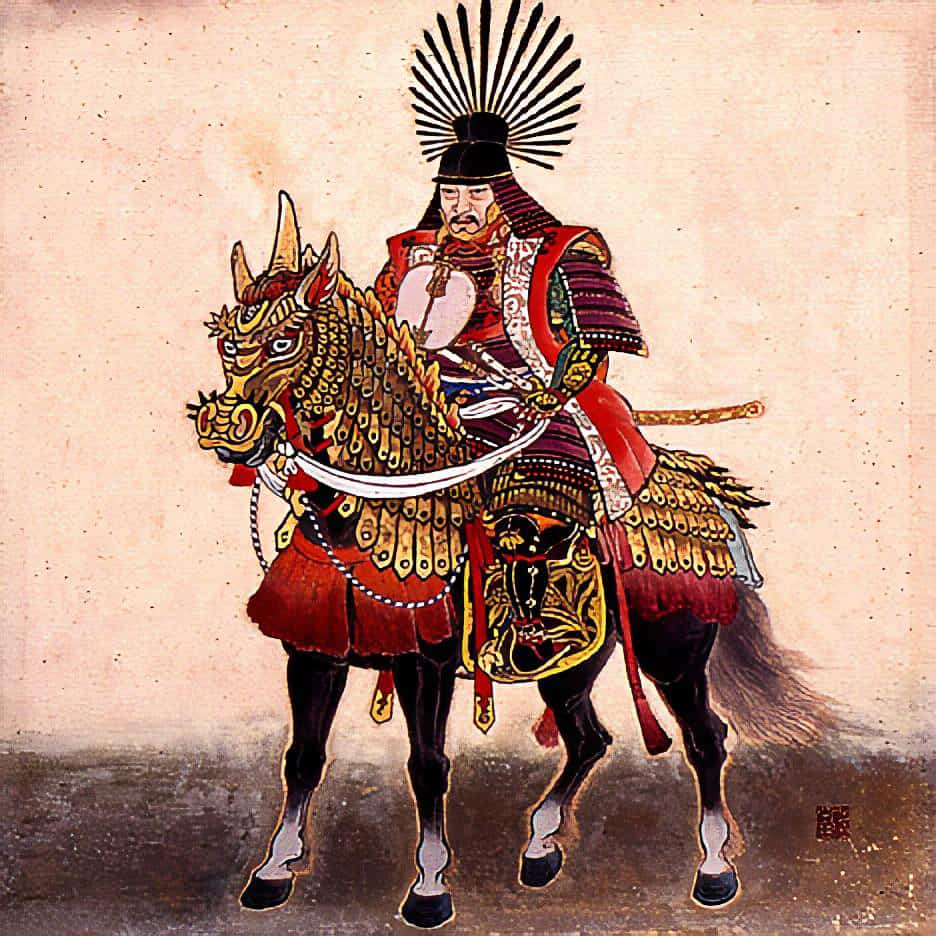
Still, Don Pedro’s tricks must have won the heart of Hideyoshi. The Spanish were allowed to continue trading until 1624 when they were expelled from Japanese shores by the third shogun of the Edo Period, Tokugawa Iemitsu.
We can only wonder what became of Don Pedro, unlike the elephant brought to Tokugawa Yoshimune two centuries later, whose story we know.
As well, Hideyoshi’s story is known. Perhaps overcome with a bit too much hubris, he sent his armies to conquer Ming China. While they were being soundly defeated, he died of illness at home in his luxurious Fushimi Castle outside of Kyoto in 1598.
Account of Don Pedro found in: They Came to Japan: An Anthology of European Reports in Japan, 1543–1640 (University of California Press, 1965)
If you have questions about Japan or suggestions for articles, please add them in the comments. For more photos and information on Japan, follow me on instagram at: https://www.instagram.com/more_than_tokyo/


