

• Home
  • About
  • Discover
    • History
    • Culture
    • Nature
    • Food
    • Living in Japan
    • Destinations
    • Language
    • Tips
  • Interview
  • Recommended Books
Exploring the Wonders of Rural Japan
Culture Living in Japan

6 Weird Japanese Cultural Quirks

These things still puzzle me even after 36 years of living in Japan

Even though I’ve lived in Japan for over half my life, there are certain idiosyncrasies of the culture that still leave me speechless.

Weird Japanese Quirk #6 — Drinking behavior
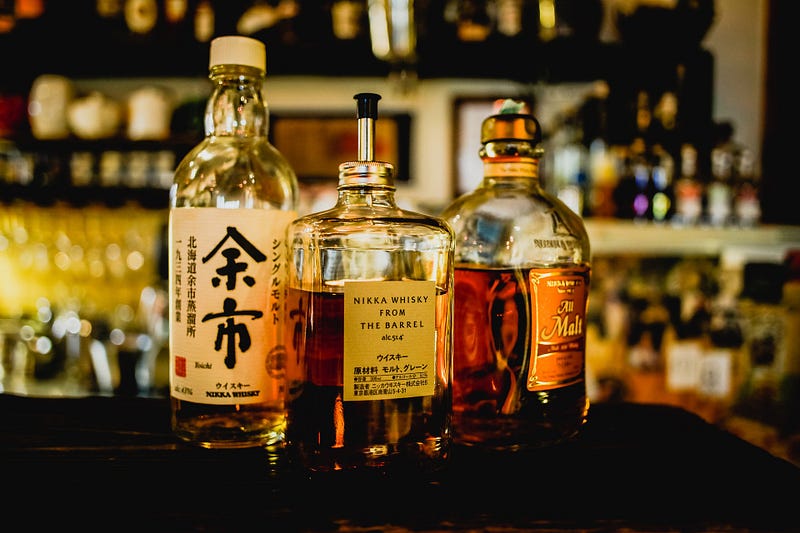
Whiskey bottles lined up on a bar. Drunkenness being normal is, to me, a weird Japanese cultural quirk.
Japanese whiskey. (Holdosi. Pixabay. No attribution required.)

Someone can be embarrassingly out of control drunk and even vomiting in the evening, and the next morning all is forgiven. “He was drunk” absolves such behavior.

Years ago when I became pregnant with my seventh child, I took that opportunity to quit a job teaching at a private high school. The teachers in the English department had a farewell party for me where the usually staid, conservative, dark-suit-clad men got inordinately drunk.

A bus had been hired to take us all home — driving after having just one sip of alcohol is considered a serious offense in Japan — and along the way, different teachers asked the driver to pull over so they could get out and be sick. 

Just another day at the office. No one was the least bit fazed.

Weird Japanese Quirk #5 — Clothing dictated by the calendar
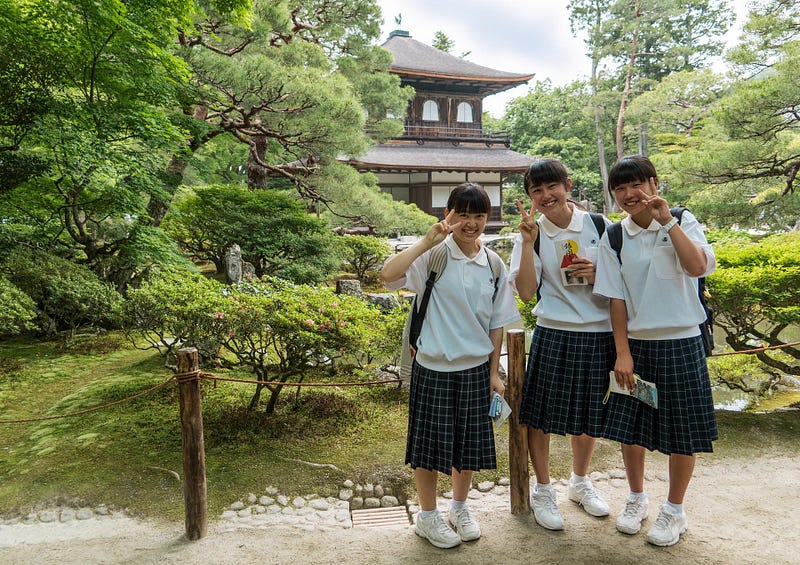
Girls in school uniforms in Kyoto.
Girls in school uniforms, Kyoto. (Michelle_Raponi. Pixabay. No attribution required.)

What clothes one wears is traditionally dictated by the calendar, not the weather, and by interesting cultural norms regarding modesty. Let me give you some examples from where I live in southern Kyushu.

  • Short-sleeved shirts can only be worn between June 1 and September 1. You should see the looks I get when I wear short sleeves out of season. “Aren’t you cold?” asked concerned onlookers.
  • Students are not allowed to wear their summer uniforms before June 1, or winter uniforms before December 1. Some schools are stricter than others, and in these modern times, some even have hybrid uniforms students can wear between certain dates.
  • Some schools — not all — allow girls to wear stockings to cover their bare legs in the winter months. But never after March 31.
  • Young women can show as much leg as they want, but they must keep their shoulders and chest covered up.
  • Once a woman reaches age 35, she must not be seen wearing shorts. This is another convention I ignore.
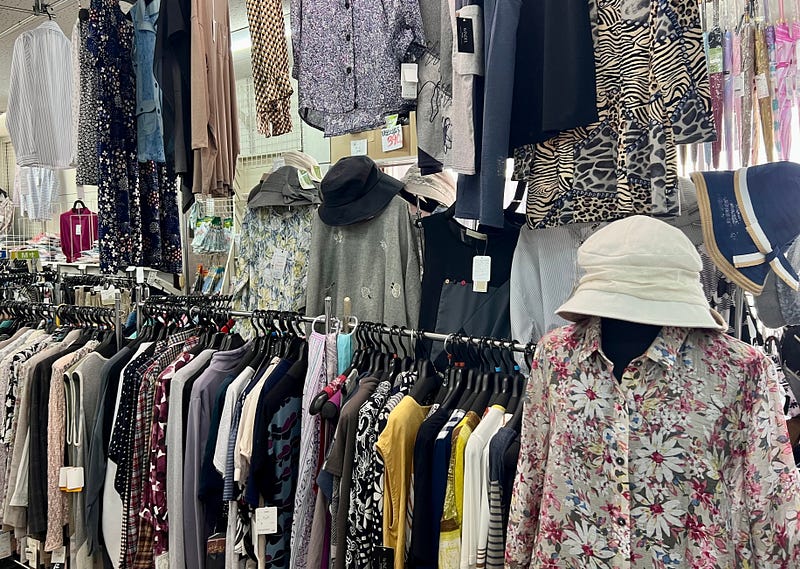
Rows of dull-colored clothing hanging on racks at a store. Older women wearing only dull colors is a weird Japanese thing.
Neighborhood shop catering to middle-aged and elderly women. (©Diane Tincher)
  • Middle-aged and elderly women seem to have some sort of unwritten dress code that includes only dull colors. There are stores dedicated to providing this wardrobe.

Oh, and beaches in my subtropical city are only “open” from July 9 to August 31.

Weird Japanese Quirk #4 — Speaker cars used for political campaigning
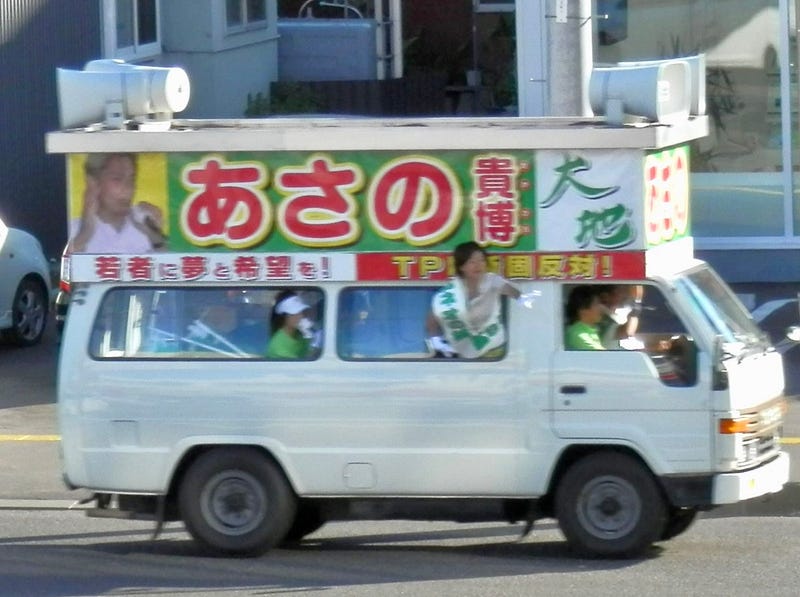
Van equipped with large signs advertising a political candidate, speakers on the front and back, and people waving out the windows.
Political speaker car in Hokkaido. (Cropped from the original version found on Creative Commons.)

When election season comes around, each candidate uses a squad of cars equipped with loudspeakers and filled with uniform-clad, white-gloved volunteers. These vehicles roam the streets, blasting recordings of musical slogans and campaign promises. The volunteers wave and call to passers-by from the windows.

My youngest child always ran to the back of the house and hid in terror when any came near. The volume can be deafening.

If I had the right to vote in this county — which is only granted to citizens, not permanent residents like myself — I’m afraid I would make it a point NOT to vote for anyone who disturbs the peace in such an obnoxious manner.

I can’t help but wonder about the efficacy of such political campaigning. Some of the slogans are also quite hilarious, but that’s a topic for a different article.

Weird Japanese Quirk #3 — Mask-wearing
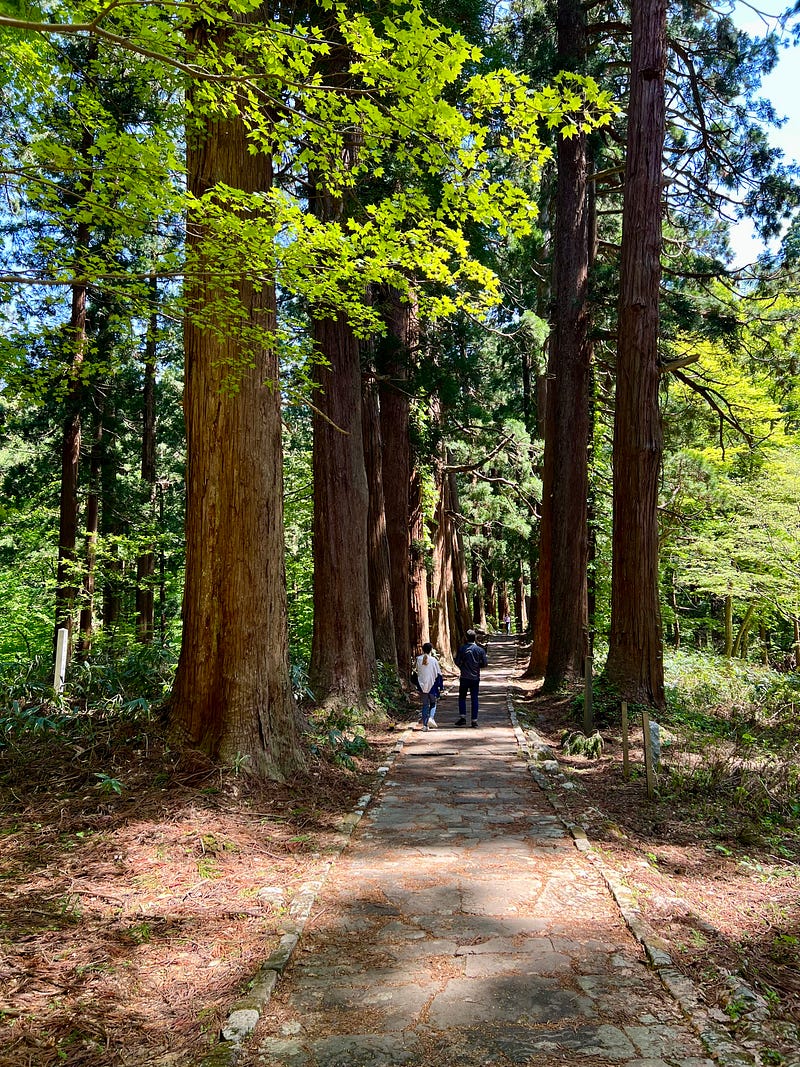
Path between enormous cedar trees in forest.
One does not need a mask when walking in this lovely forest. Mount Haguro. (©Diane tincher)

There was a culture of mask-wearing in Japan long before the pandemic. For years, people have been wearing masks to protect against catching the flu, to not spread their cold or fever, and to prevent breathing in pollen. Women sometimes wear a mask when they didn’t have time to apply makeup in the morning.

These days, though, I’m afraid this practice has been taken to the extreme, with people wearing masks working in their gardens, driving alone, and even walking in the countryside. 

I find it especially puzzling when people wear masks hiking in the mountains where they could be partaking of the health-giving fragrance of the forest.

Weird Japanese Quirk #2 — Changing room etiquette
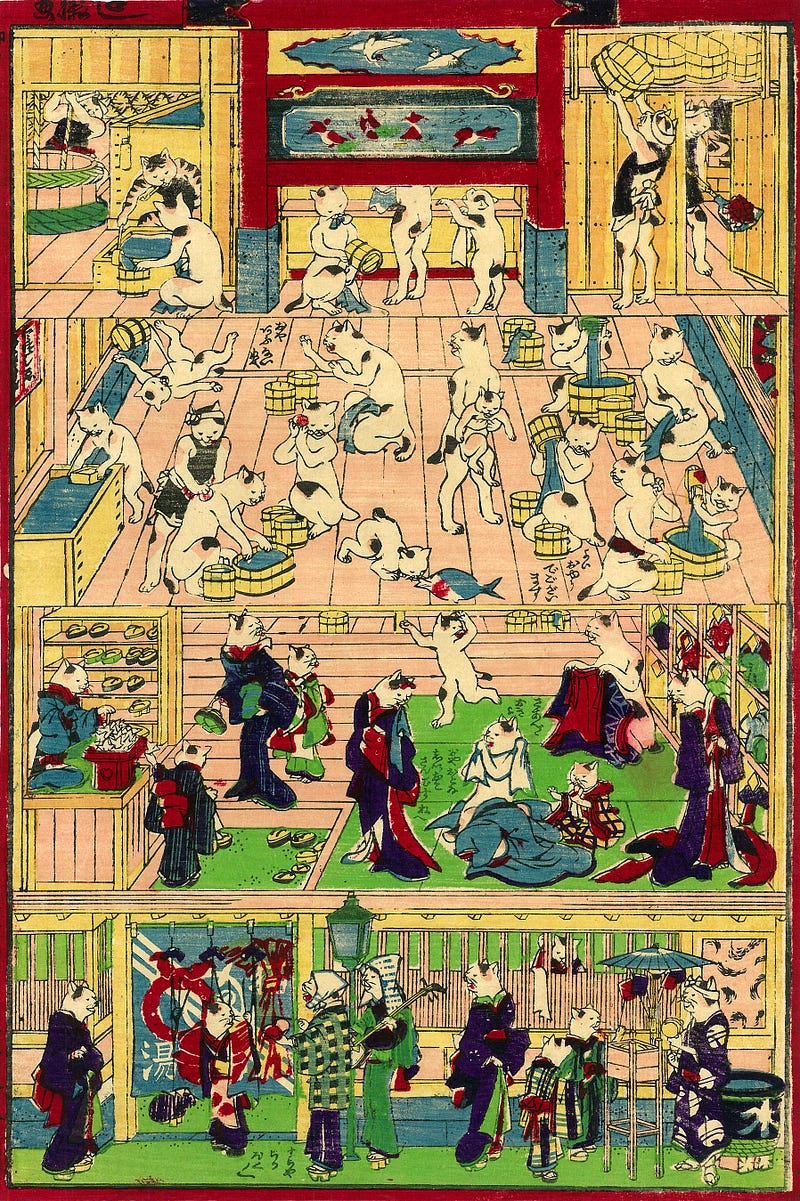
Illustration of cats in various rooms and in various states of dressed and undressed at a public bath.
Neko no Yu, Cats bath, by Utagawa Yoshifuji. (Public domain)

I’ve visited onsen hot springs, sento public baths, and most frequently, my local swimming club, and the contrast in what is acceptable puzzles my Western brain.

It’s fine to walk around stark naked in the women’s changing room at hot springs or public baths, but it is absolutely not acceptable at the swimming club. Women take great pains to never show any skin, covering up with hand-sewn, tent-like garments while they change.

I can only conclude that, like the Japanese language, context is everything.

Weird Japanese Quirk #1 — Anime hologram singers

People attend concerts to watch a hologram of an anime character sing in a synthesized, artificially produced voice. 

This is not a new phenomenon.

The singer in the video, Hatsune Miku, traces her roots as far back as 2007 when she was created by Crypton Future Media using Yamaha’s Vocaloid 2 singing-synthesis technology. This is open-source software, so anyone with a computer and internet can easily and freely collaborate on creating Vocaloid songs. And many people do.

Through the years, Hatsune Miku and other synthetic singers have evolved and grown from a subculture trend to become major players in mainstream Japanese pop music.

In 2020, an artist using Vocaloid singing-synthesis software, Yonezu Kenshi, secured the #1 spot on Billboard Japan with his album, Stray Sheep.

I’d love to hear quirky cultural customs that you have experienced. Please feel free to share them in the comments.


If you have questions about Japan or suggestions for articles, please add them in the comments. For more photos and information on Japan, follow me on instagram at: https://www.instagram.com/more_than_tokyo/

Changing rooms Clothing Drinking Japan Japanese culture Masks onsen Politics Weird Japanese Quirks
Share
2 Comments
  1. John

    May 28, 2022 12:44 pm

    Stay sheep is LIT! Watch out for goats though.

    Reply
    1. Diane Tincher

      May 28, 2022 6:02 pm

      lol!

      Reply
Leave a Reply Cancel reply

Your email address will not be published. Required fields are marked *

This site uses Akismet to reduce spam. Learn how your comment data is processed.

Previous Post

It’s All Part of the Adventure—of Travel and of Life

Next Post

A Japanese Proverb—When the wind blows, the barrel makers profit

If you enjoy my work and would like to help me continue creating, consider supporting me.

Thank you!
PayPal - The safer, easier way to pay online!
Newsletter

Subscribe

Enter your email for notifications of our latest posts

Tags
architecture Buddhism Christianity Edo Era elderly festivals folklore Food Ghosts gratitude Haunting Hiking history holidays honesty Japan Japanese Japanese cuisine Japanese culture Japanese Customs Japanese Food Japanese History Japanese Language Japanese words that English needs Japan Tips Japan travel Japan Travel Tips Jizō Kagoshima Kōyō Living in Japan longevity Manners Nature New Year Ninja Samurai Shinto shogun Shrine Tips Trade Travel volcano Washoku
Featured Posts
History Religion

The Shimabara Rebellion—The Last Stand of Japan’s Christians

July 8, 2026
History

The Okamoto Daihachi Affair—The Scandal That Turned the Tide Against Christianity in Japan

July 6, 2026
History

The 47 Ronin—Disgrace, Revenge, and Death

June 23, 2026
Destinations Folklore Ghosts

Omatsu Daigongen—The Amazing Cat Temple of Shikoku

June 1, 2026
History

Oura Kei—Unstoppable Pioneering Tea Merchant

January 19, 2026
Most Popular

Shinto — The Peaceful Spiritual Heart of Japan

Shinto gate Lake Biwa

Komorebi—A Beautiful Japanese Word that English Needs

Nakasendo Way

Dondoyaki—Burning New Year’s Decorations to Send off the God of the New Year

Dondoyaki fire

The Jizo Statues of Nashi-no-Ki—1,000s of Unique Offerings of Thanks

Jizo statues at Nashi no Jizo, Sado.

Sugawara no Michizane —Japan’s Three Most Infamous Vengeful Ghosts, part 3

Sugawara Michizane
You might also like
Nakasendo Way
Nature Language

Komorebi—A Beautiful Japanese Word that English Needs

1 Min read
November 11, 2021
temple pagoda
Culture Living in Japan

Death in Japan

8 Mins read
March 22, 2022
Elephant by Kano Furunobu
History

The Incredible Tale of the Elephant Who Had an Audience with the Japanese Emperor

7 Mins read
April 6, 2022
Exploring the wonders of rural Japan
Exploring the Wonders of Rural Japan
  • Home
  • About
  • Recommended Books
  • Interview
  • Privacy Policy
Exploring the Wonders of Rural Japan
  • Home
  • About
  • Discover
    • History
    • Culture
    • Nature
    • Food
    • Living in Japan
    • Destinations
    • Language
    • Tips
  • Interview
  • Recommended Books
We use cookies on our website to give you the most relevant experience by remembering your preferences and repeat visits. By clicking “Accept”, you consent to the use of ALL the cookies.
Do not sell my personal information.
Cookie SettingsAccept
Manage consent

Privacy Overview

This website uses cookies to improve your experience while you navigate through the website. Out of these, the cookies that are categorized as necessary are stored on your browser as they are essential for the working of basic functionalities of the website. We also use third-party cookies that help us analyze and understand how you use this website. These cookies will be stored in your browser only with your consent. You also have the option to opt-out of these cookies. But opting out of some of these cookies may affect your browsing experience.
Necessary
Always Enabled
Necessary cookies are absolutely essential for the website to function properly. These cookies ensure basic functionalities and security features of the website, anonymously.
CookieDurationDescription
cookielawinfo-checkbox-analytics11 monthsThis cookie is set by GDPR Cookie Consent plugin. The cookie is used to store the user consent for the cookies in the category "Analytics".
cookielawinfo-checkbox-functional11 monthsThe cookie is set by GDPR cookie consent to record the user consent for the cookies in the category "Functional".
cookielawinfo-checkbox-necessary11 monthsThis cookie is set by GDPR Cookie Consent plugin. The cookies is used to store the user consent for the cookies in the category "Necessary".
cookielawinfo-checkbox-others11 monthsThis cookie is set by GDPR Cookie Consent plugin. The cookie is used to store the user consent for the cookies in the category "Other.
cookielawinfo-checkbox-performance11 monthsThis cookie is set by GDPR Cookie Consent plugin. The cookie is used to store the user consent for the cookies in the category "Performance".
viewed_cookie_policy11 monthsThe cookie is set by the GDPR Cookie Consent plugin and is used to store whether or not user has consented to the use of cookies. It does not store any personal data.
Functional
Functional cookies help to perform certain functionalities like sharing the content of the website on social media platforms, collect feedbacks, and other third-party features.
Performance
Performance cookies are used to understand and analyze the key performance indexes of the website which helps in delivering a better user experience for the visitors.
Analytics
Analytical cookies are used to understand how visitors interact with the website. These cookies help provide information on metrics the number of visitors, bounce rate, traffic source, etc.
Advertisement
Advertisement cookies are used to provide visitors with relevant ads and marketing campaigns. These cookies track visitors across websites and collect information to provide customized ads.
Others
Other uncategorized cookies are those that are being analyzed and have not been classified into a category as yet.
SAVE & ACCEPT